Why this matters
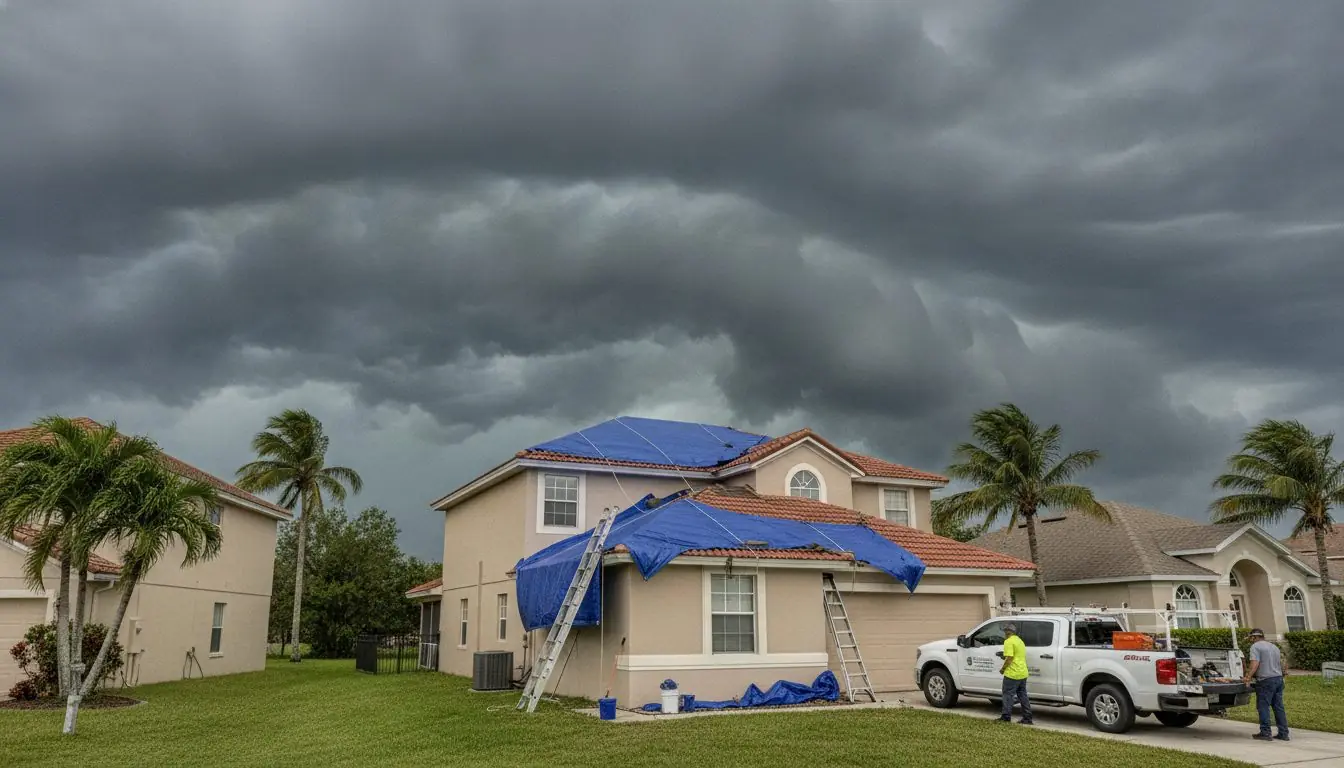
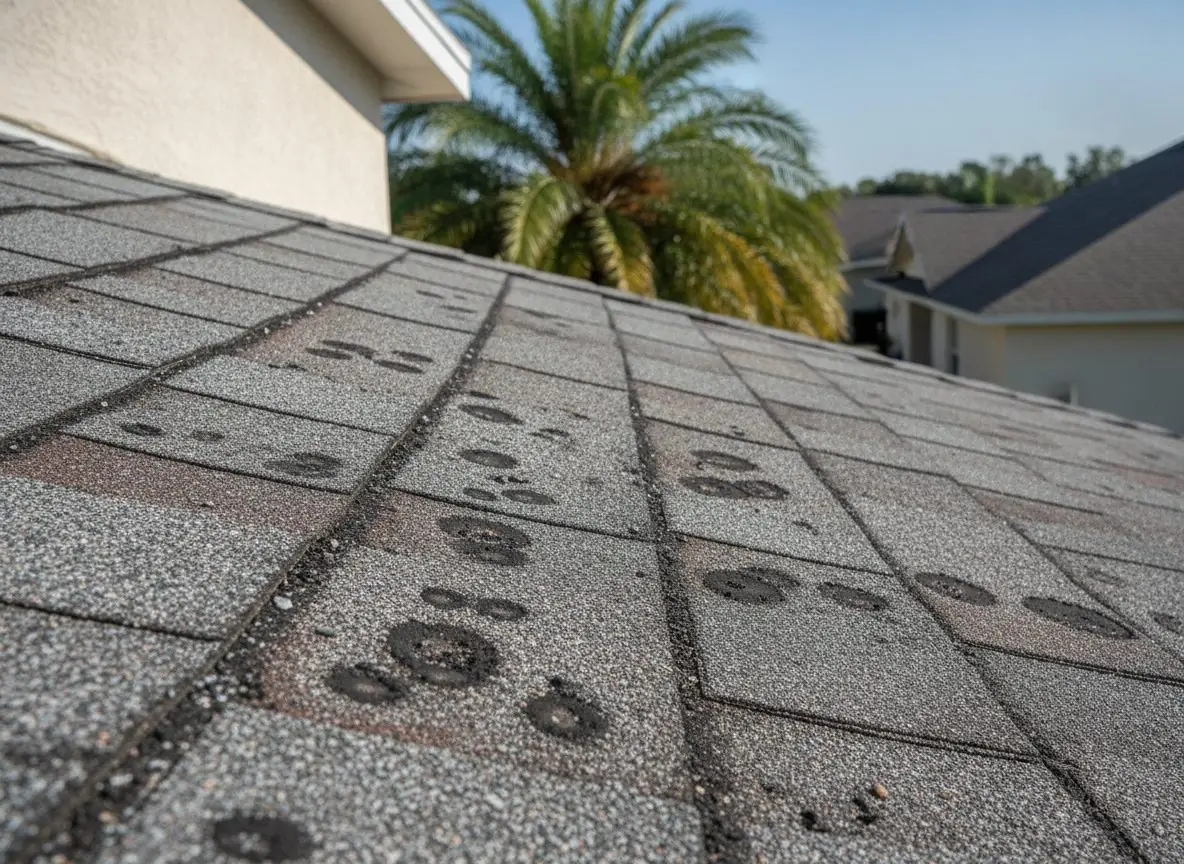
Central Florida's roofing risk isn't just wind — thunderstorm season brings hail, and hurricane season brings wind-driven debris. Both can damage a standard shingle's surface enough to shorten its life or trigger a claim. Class 4 impact-resistant shingles are built and tested specifically to hold up better against that kind of impact damage, and the rating itself is something you can verify, not a marketing phrase.
What "Class 4" actually means
Impact resistance for roofing shingles is measured under UL 2218 (also referenced as FM 4473), a standardized test that drops steel balls of increasing size onto a shingle sample and checks for cracking or fracturing of the mat underneath the granules. Shingles are rated Class 1 through Class 4, with Class 4 — tested with a 2-inch steel ball dropped from 20 feet, simulating large hail — being the toughest rating available. A shingle earning Class 4 has to show no cracking through the reinforcing mat after impact, not just surface granule loss.
- Class 4 shingles use a reinforced or modified asphalt mat (often with a rubberized or polymer-modified layer) that absorbs impact instead of transmitting it straight through to a brittle mat.
- The rating applies to the specific product, not the brand — GAF, Owens Corning, and CertainTeed (see our shingle brand comparison) each make Class 4 lines alongside their standard lines, so you have to specify the Class 4 product by name in your proposal.
- Class 4 does not mean impervious — it means significantly more resistant to cracking from impact than a standard three-tab or entry-level architectural shingle.
The insurance angle
Many Florida homeowners insurers offer a premium credit or discount for roofs covered with a UL 2218 Class 4 impact-resistant product, because it statistically reduces hail-related claims. The size of any credit varies by insurer and by policy, and not every carrier offers one, so this is a conversation to have directly with your insurance agent using the product's certification paperwork, not a number we'll quote you in the abstract.
- Ask your insurance agent directly whether your policy offers a wind mitigation or impact-resistant roof credit, and get the discount amount in writing before assuming it applies.
- Keep the manufacturer's Class 4 certification documentation for your specific shingle — insurers typically require it to apply any discount.
- A wind mitigation inspection (separate from the roofing work itself) is usually what actually triggers the credit on your policy — ask your agent what documentation they require.
Is Class 4 worth the upgrade cost?
Class 4 shingles typically cost more than standard architectural shingles up front. Whether the upgrade pencils out depends on your specific insurance discount (if any), how exposed your property is to hail and wind-driven debris, and how long you plan to stay in the home. We'll walk you through the real cost difference for your roof size and let you weigh it against your insurer's actual credit — not a hypothetical one.
Recommended next step
If you're re-roofing and want to explore Class 4 shingles, we'll quote the upgrade cost alongside a standard architectural shingle so you can compare with real numbers, and give you the manufacturer certification paperwork to take to your insurance agent.