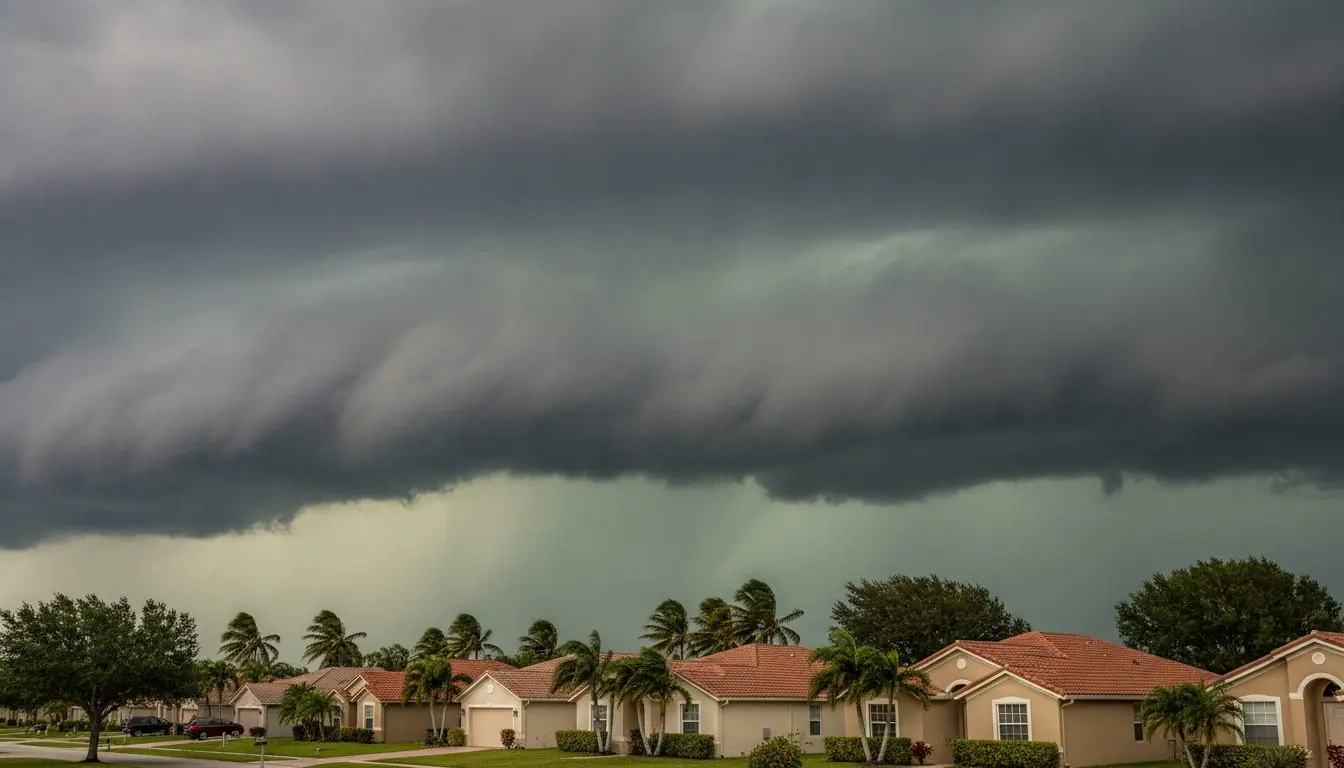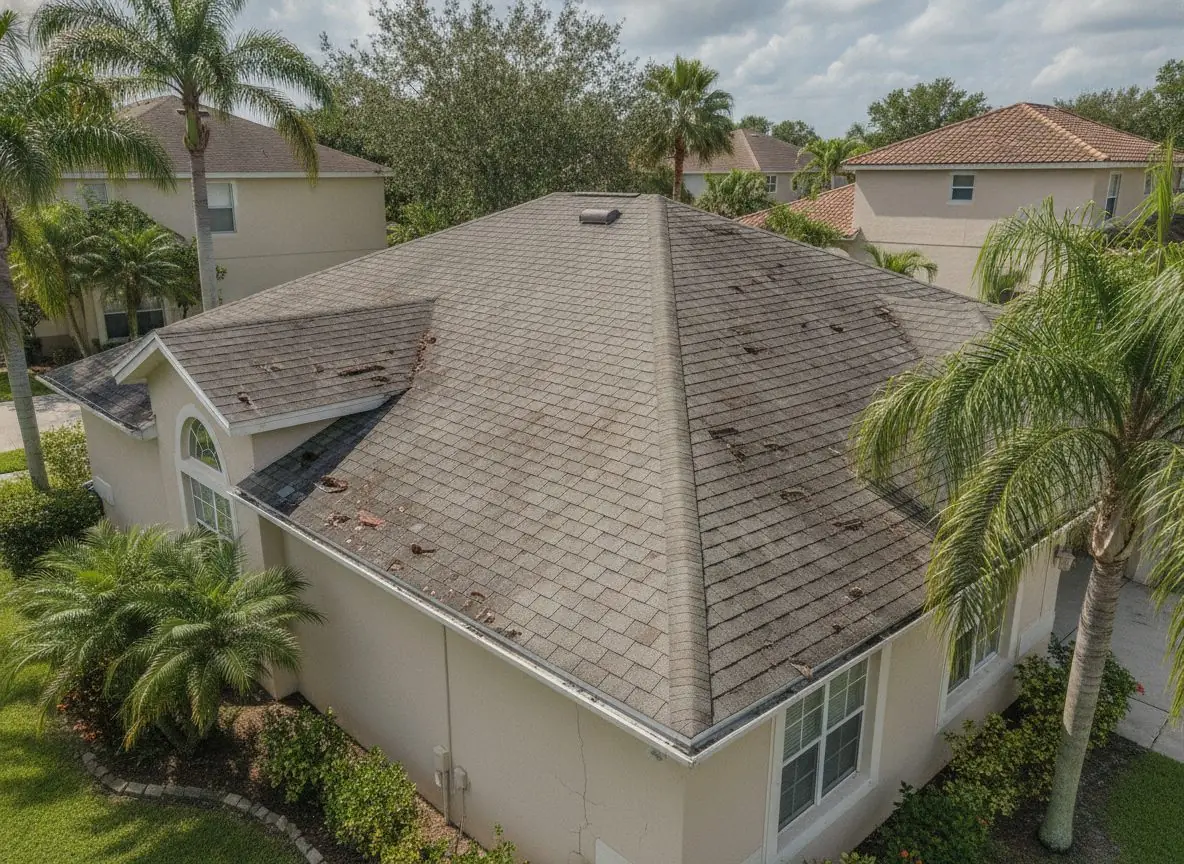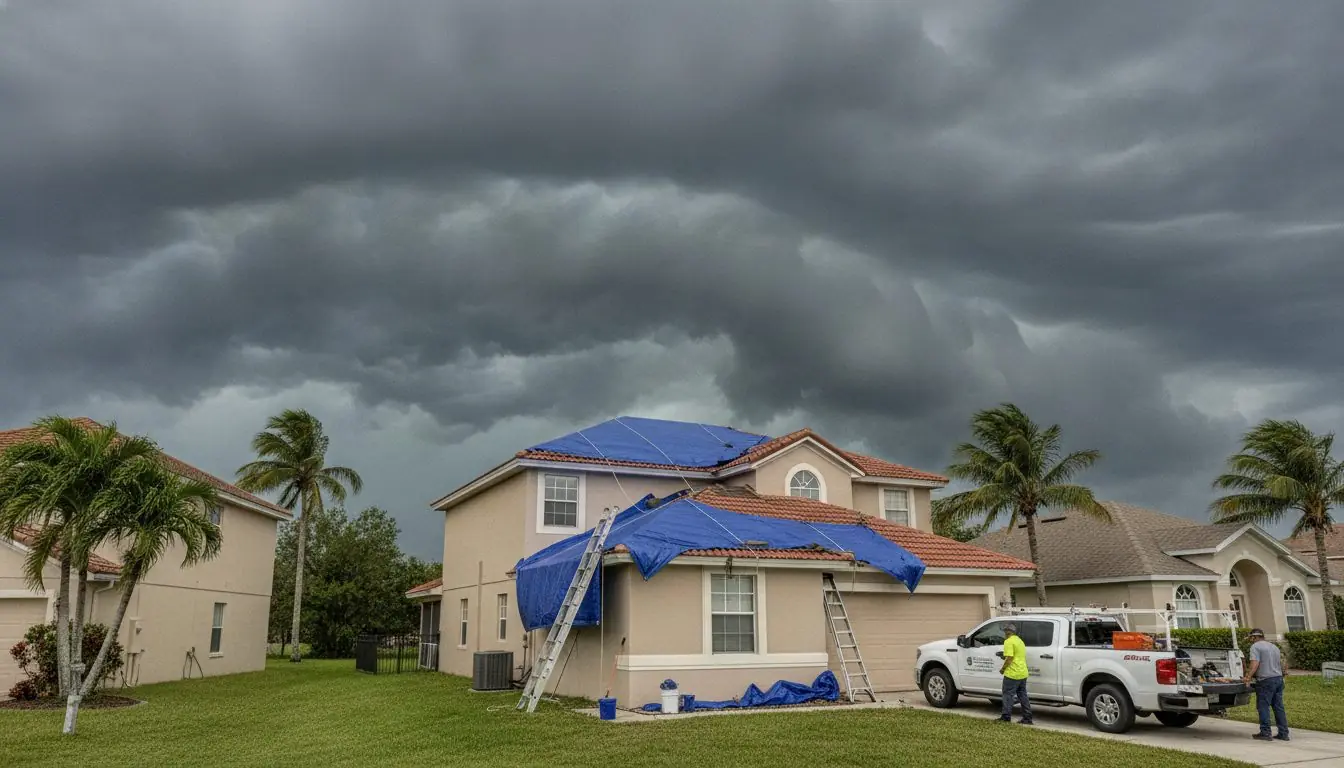
Storm-damaged home with a blue tarp on the roof
Storm & insurance restoration

How a Florida roof insurance claim actually works.

Wind, hail and storm damage claims move faster and get scoped more accurately when the documentation is right from day one. Here's exactly what Crownline does — and exactly what we don't.

Step by step

What a wind or storm damage claim involves.

01

Document

Photos and video of the damage, dated and organized before anything gets touched.

02

Inspect

A full roof inspection identifying the extent and cause of damage.

03

Scope

A written estimate in the line-item format most Florida insurers already expect.

04

Meet the adjuster

We can be on-site when the adjuster inspects, pointing to documented damage.

05

Supplement if needed

If the initial scope misses documented damage, we submit a supplement request.

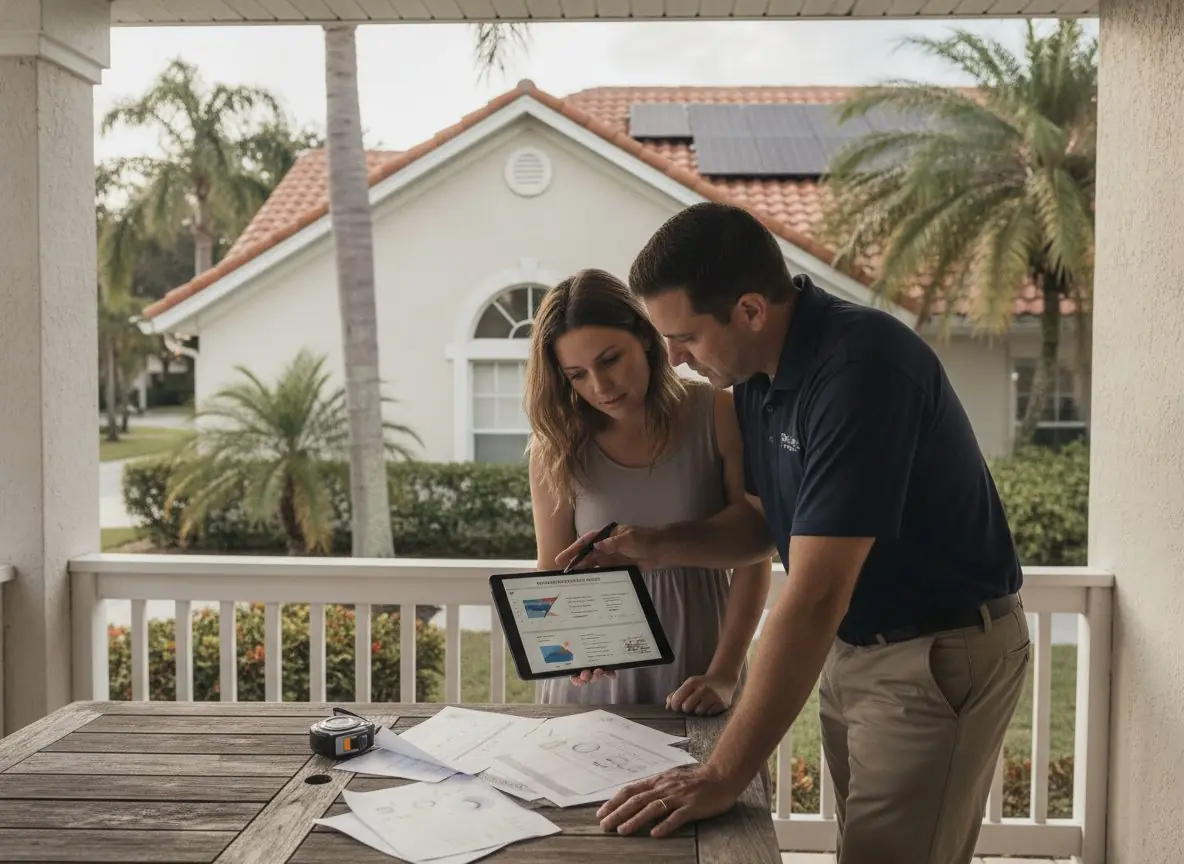
Homeowners reviewing roof documentation on a tablet
Before the adjuster arrives

What to do first.

  • Photograph visible damage from the ground — don't climb onto a damaged roof.
  • Note the date and time of the storm event.
  • Call your insurer to open a claim and get a claim number.
  • Request a free inspection so damage is professionally documented before the adjuster visit.
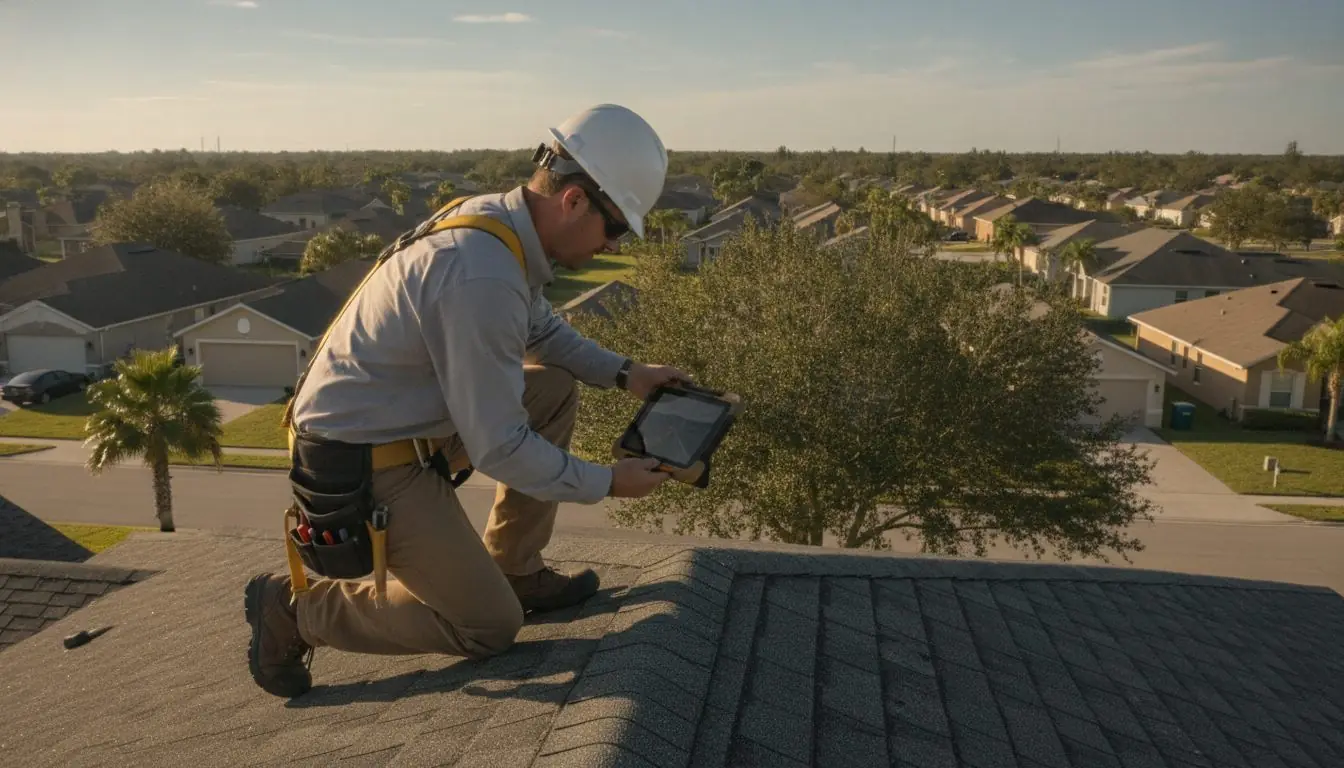
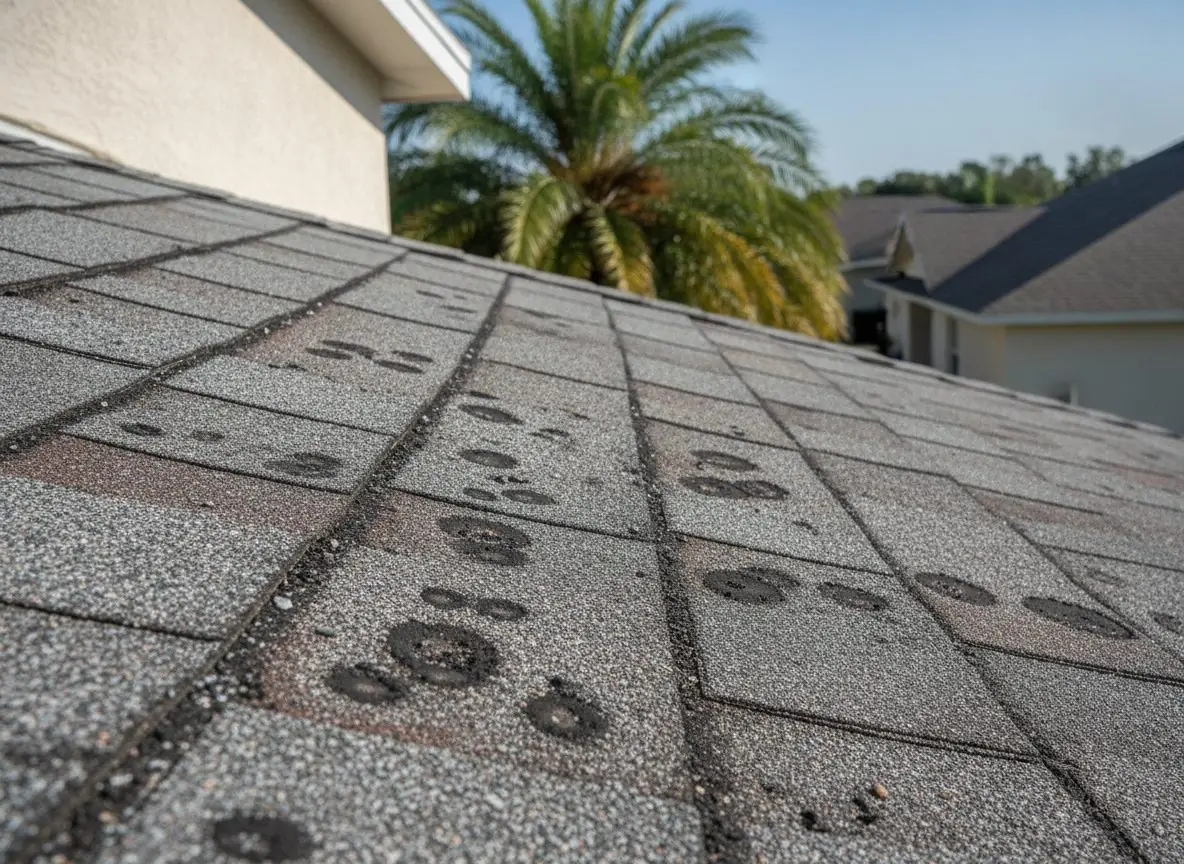
Roofer documenting a shingle roof on a tablet
At the adjuster meeting

What we bring.

  • Dated photo and video documentation of the damage.
  • A written scope, including applicable Florida wind-zone / ASCE 7 wind-uplift requirements a repair or replacement must meet.
  • A clear explanation of what's damaged, what code requires, and why.
The line we don't cross

Crownline is a licensed roofing contractor. We are not a public adjuster.

Public adjusting is a separate, licensed profession in Florida. We document damage, write scopes, and can meet the adjuster on-site to point to what we found — but the insurance carrier makes the coverage decision, not us, and we do not guarantee claim approval or a specific settlement amount.

If you want someone to represent you directly in a coverage dispute, that's a licensed public adjuster or an attorney, and we'll say so plainly if that's the right move for your situation.

Read our full disclaimer →
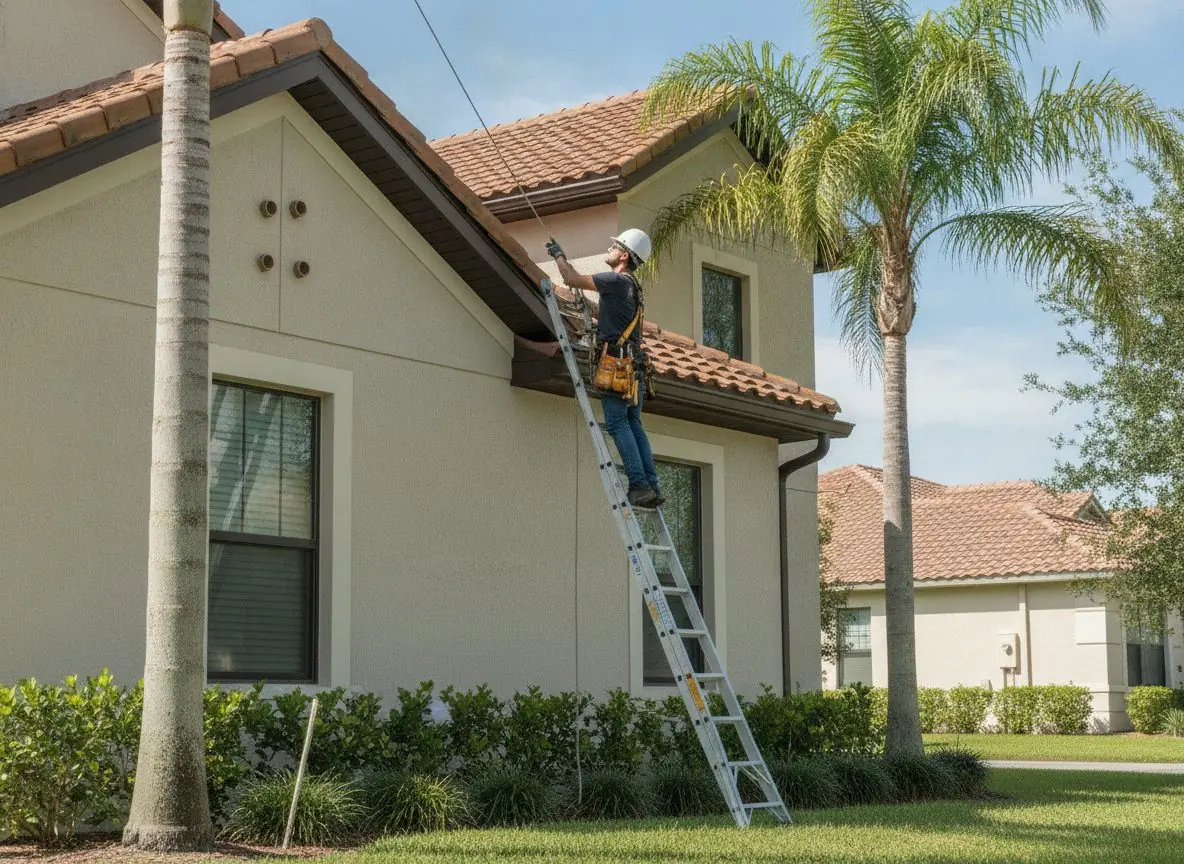
Roofer on a ladder inspecting the edge of a tile roof
After the storm

Documentation first. Repairs second.

A properly documented roof gives your insurer a clear record of cause and extent — and gives you a scope that matches what code requires.

Post-storm inspection checklist →
Guides

Insurance claim resources.

All resources →

Storm damage? Start with documentation, not a guess.

Free inspection, real photos, a scope your insurer can actually work with.