Backup power sized to what actually matters when the grid goes down.
Florida storm season means outages. A battery system sized around your real priorities — refrigeration, medical equipment, well pumps, a few circuits that matter — beats an oversized system you paid too much for.
How we size a battery system
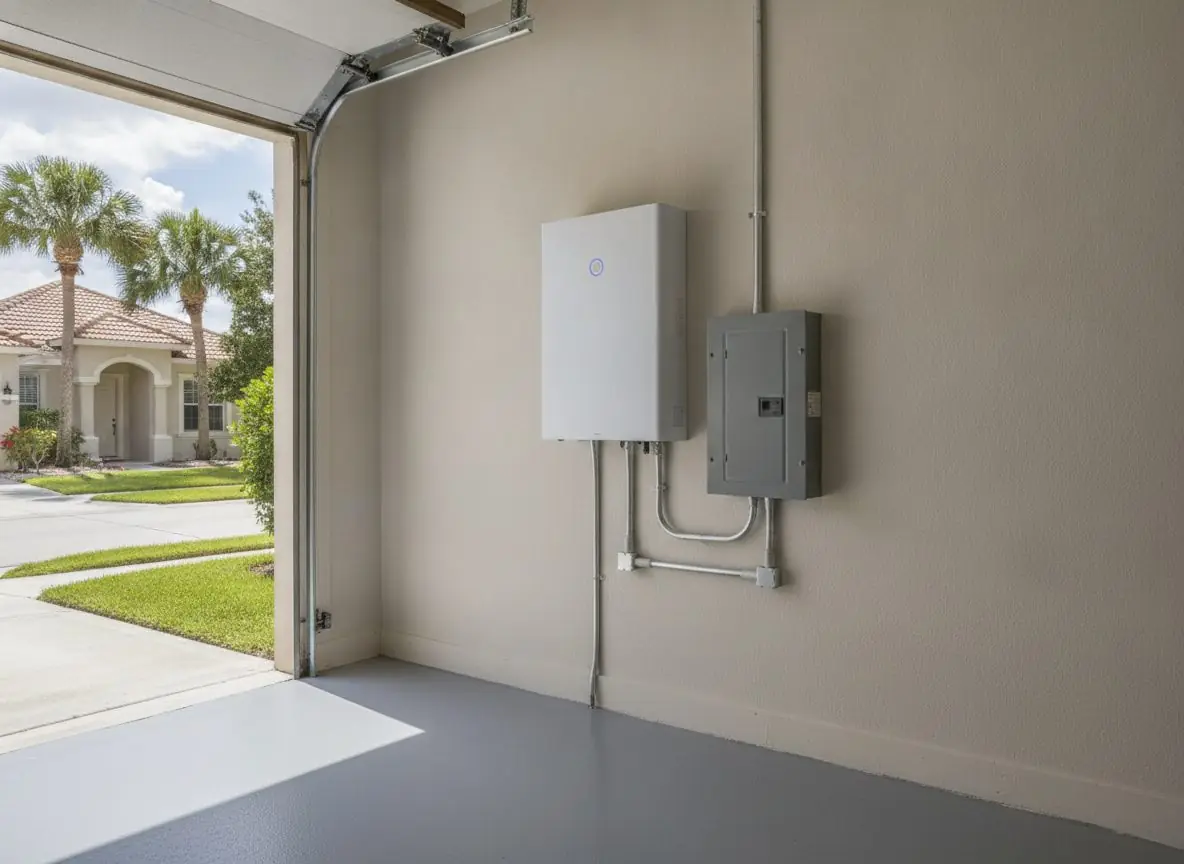
- Identify the circuits that actually matter during an outage — not "whole home" by default.
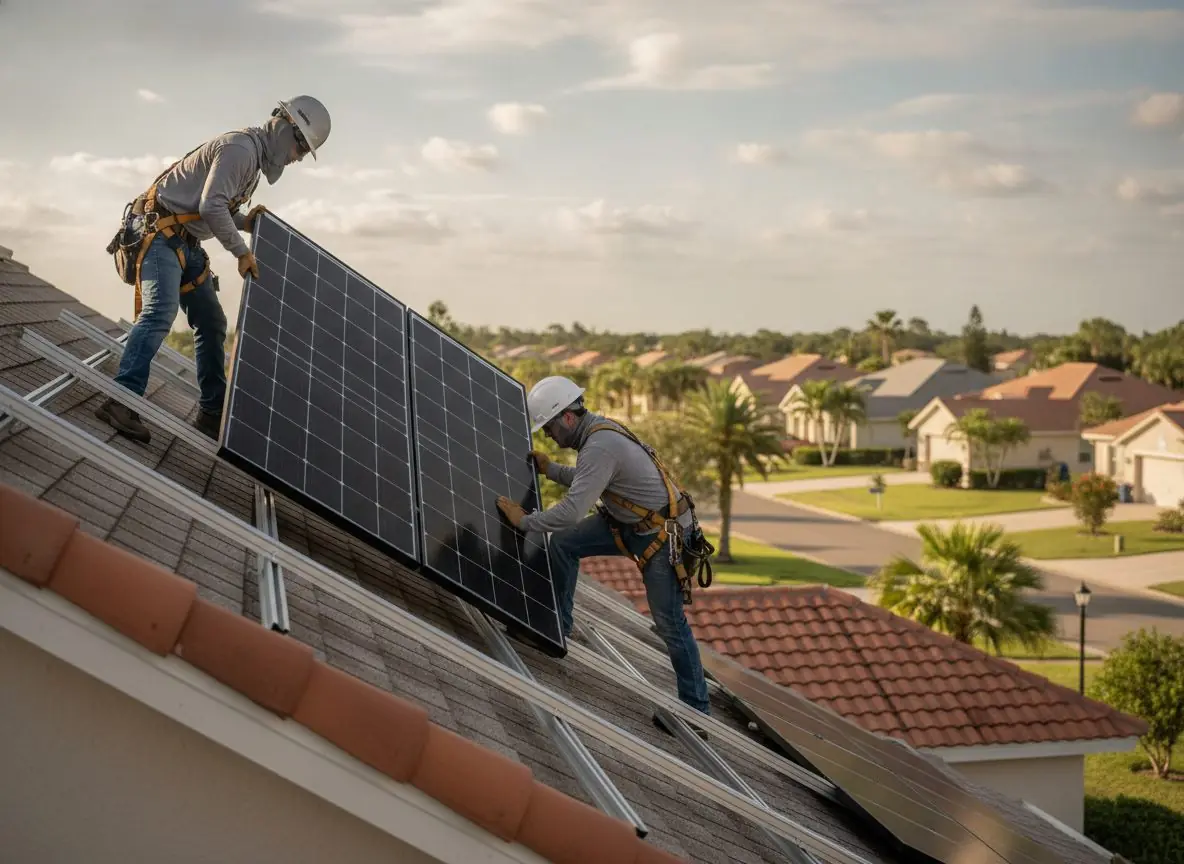
- Pair with solar if you have it, or install stand-alone with grid charging.
- Electrical panel and transfer switch work coordinated as part of the install.
- Storm-mode charging where the battery tops off automatically ahead of a forecast storm, where supported.
What actually applies to a battery purchase in 2026
Federal residential credit
No federal tax credit remains for a direct-purchase residential battery in 2026 — it expired with Section 25D on December 31, 2025.
Manufacturer rebates
Manufacturer-specific rebate programs (not tax credits, separately stackable) may exist.
Common questions
No — a battery can be installed stand-alone and charge from the grid, though pairing it with solar (see Solar Panels) gets more value long-term.
Depends on which circuits you back up and the battery capacity chosen — we size this to your actual priorities during the estimate, not a generic average.
In most cases, yes — we'll confirm compatibility with your existing inverter during the estimate.