Why this matters
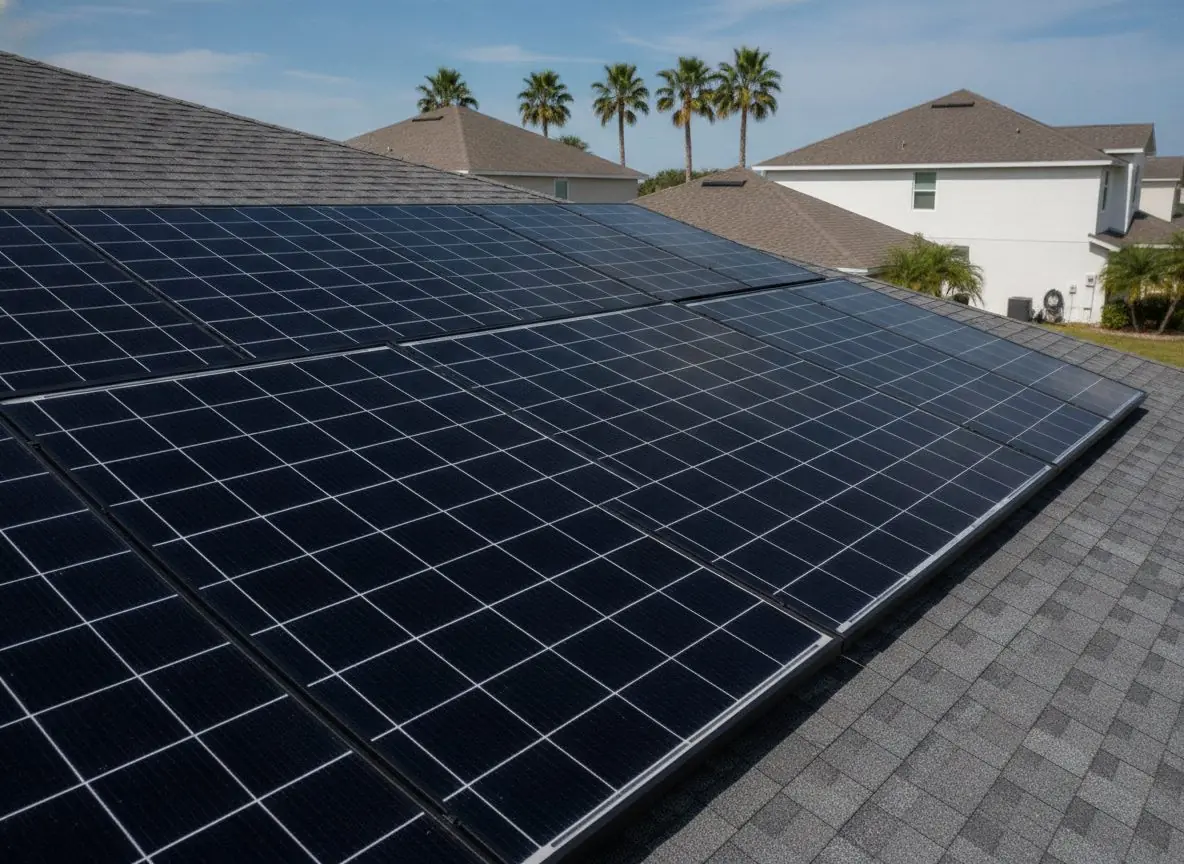
A solar panel system is typically warrantied for 25 years or more. A roof is not — depending on material and age, it may have anywhere from a couple of years to a couple of decades of remaining service life. When those two timelines don't line up, homeowners end up paying to remove and reinstall an entire solar array just to get at the roof underneath it, sometimes only a few years after the original solar install. This is one of the most expensive, avoidable mistakes in residential solar, and it's also one of the easiest to prevent with an honest roof assessment before the solar contract is signed.
The 5-7 year rule of thumb
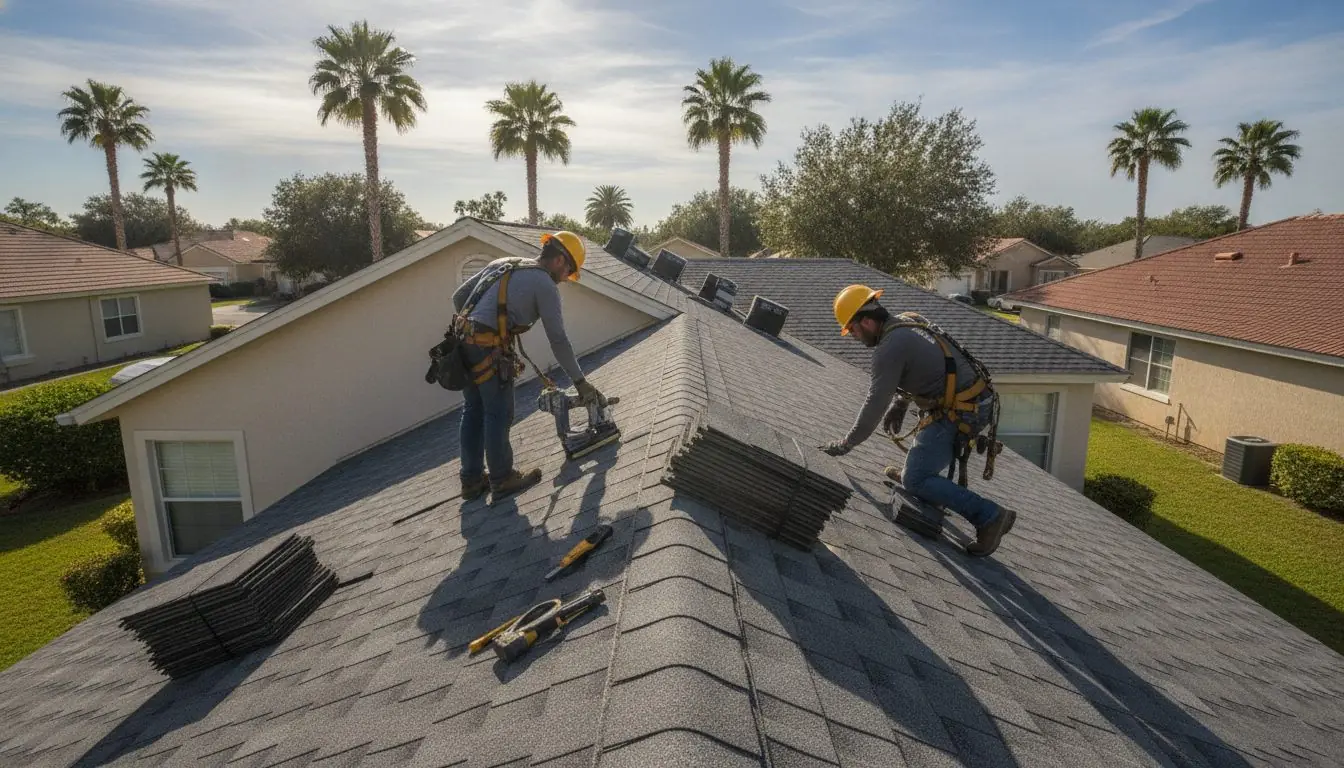
A widely used guideline in the solar and roofing industry is this: if your roof has less than 5-7 years of reliable service life remaining, replace the roof before installing solar, not after. The logic is straightforward — most solar systems are financed or expected to run 20-25+ years, and a roof with only a few years left will very likely need attention again well within that window, at which point the panels have to come off. Five to seven years is roughly the point where the math starts to favor reroofing first, factoring in the labor cost of a later panel removal/reinstall against simply doing the roof work once, upfront, before the array goes on.
This isn't a hard cutoff — a roof at 6 years of remaining life with a minor, easily-patched issue is a different conversation than one with widespread wear across every slope. It's a threshold for asking the right question, not a strict pass/fail test.
What it actually costs to remove and reinstall panels later
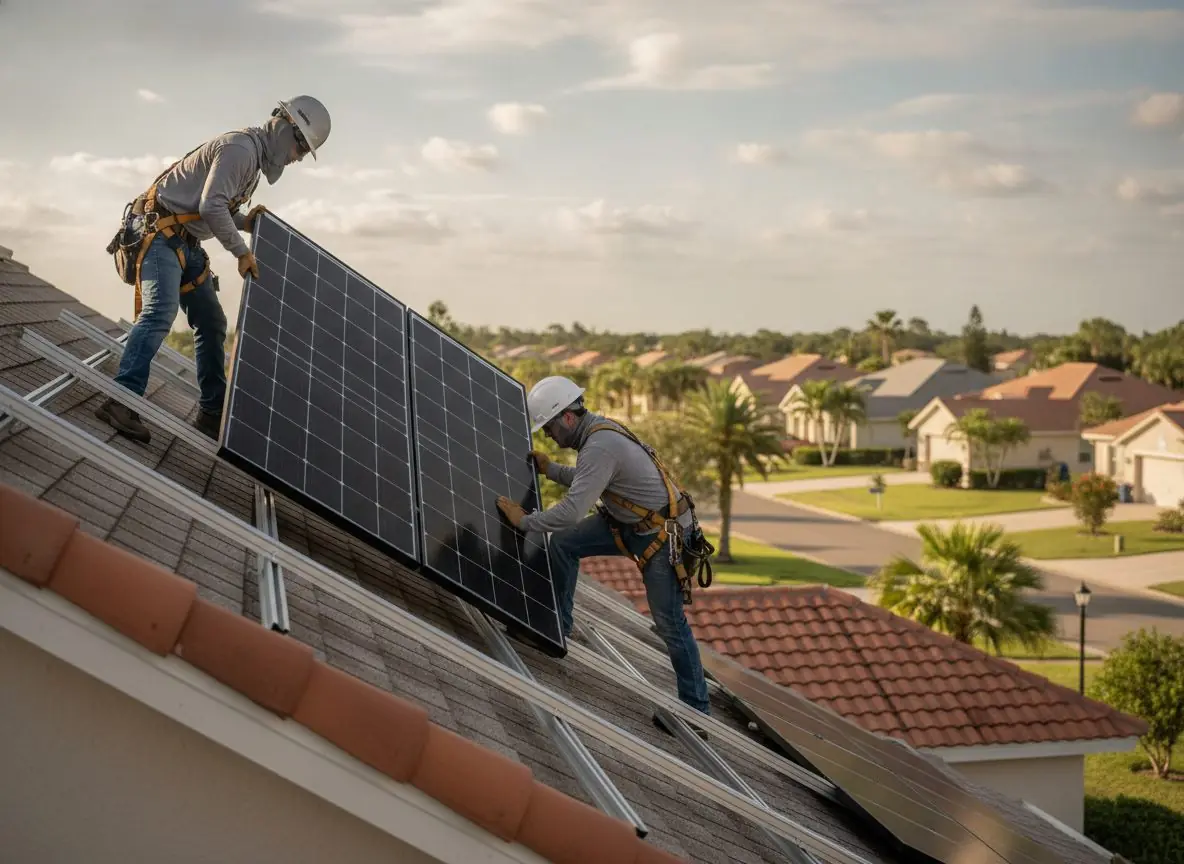
Pulling an existing solar array to reroof, then reinstalling it, isn't as simple as unscrewing panels and setting them aside. It typically involves:
- Disconnecting and safely de-energizing the system, which should be done by a qualified solar technician, not general roofing labor.
- Removing panels, racking, and roof-penetration flashing, then storing panels safely for the duration of the reroof.
- Completing the roof replacement with new penetrations and flashing sized correctly for the racking system going back on.
- Reinstalling racking, panels, wiring, and reconnecting and re-commissioning the system, including a final inspection.
That's effectively a second full labor cycle for the solar portion of the project on top of the reroof itself — a cost that a homeowner who reroofed first would never have paid at all. It also introduces schedule risk (panels sitting removed for longer than planned) and a second round of permitting and inspection in some jurisdictions. None of this is disaster-level, but it's real, avoidable money and time that a five-minute roof-age conversation before signing a solar contract would have prevented.
How Crownline evaluates this during an estimate
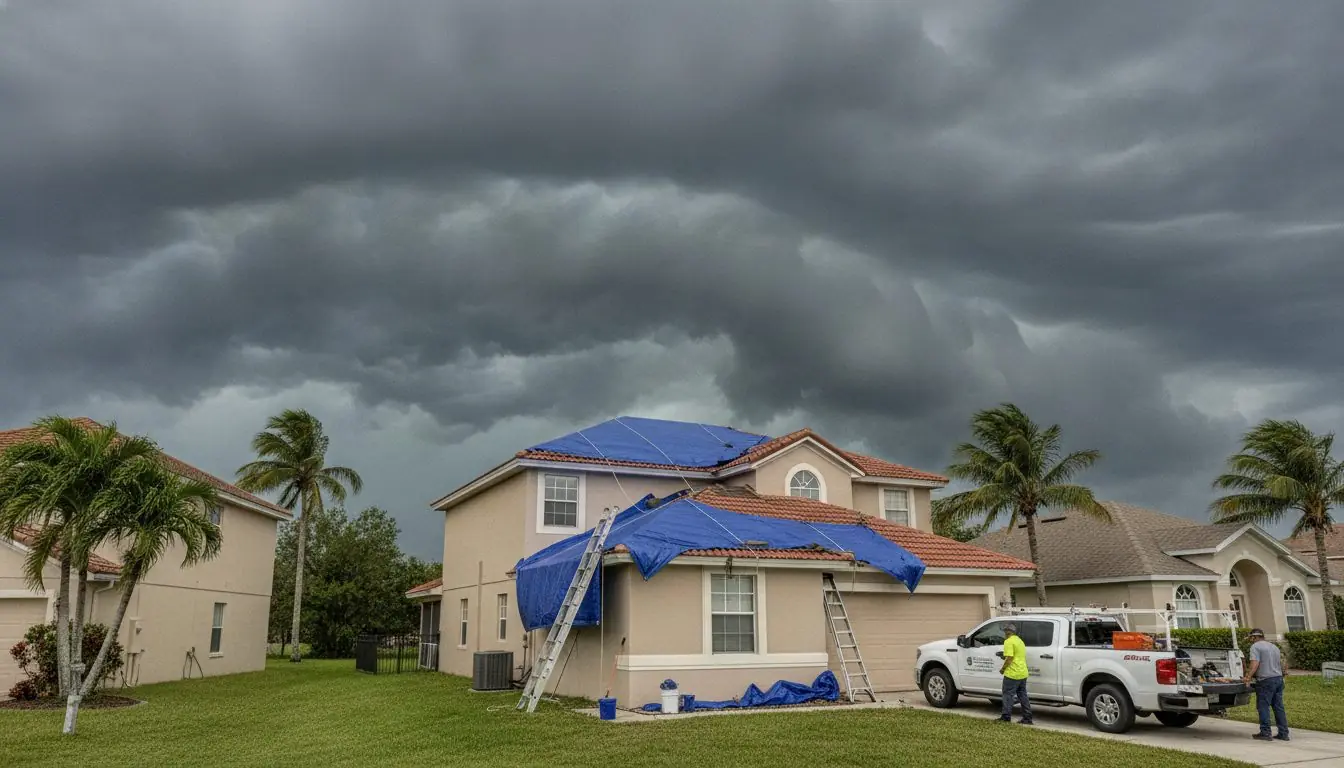
Because Crownline is a roofing company first, every solar estimate starts with an actual roof inspection — not a satellite-imagery desktop review, not a quick visual from the driveway. We look at the roof's age, material condition, remaining life expectancy, and any storm history, and we give you a straight answer on which side of the 5-7 year threshold your roof falls on before we talk about panel layout or system size. If your roof needs to come first, we'll say so, and if it's sound, we'll say that too — either way, the recommendation is coming from a roofer's assessment of the roof, not a solar sales rep's incentive to close a panel deal regardless of what's underneath it. See Solar Panels and Inspections & Maintenance for how this fits into the broader process.
Recommended next step
If you're considering solar and don't already know your roof's age and condition with confidence, start there. A free inspection settles the roof-first-or-solar-first question before you've spent money on a system that might need to come off again in a few years.
Request a Free Inspection