Why this matters
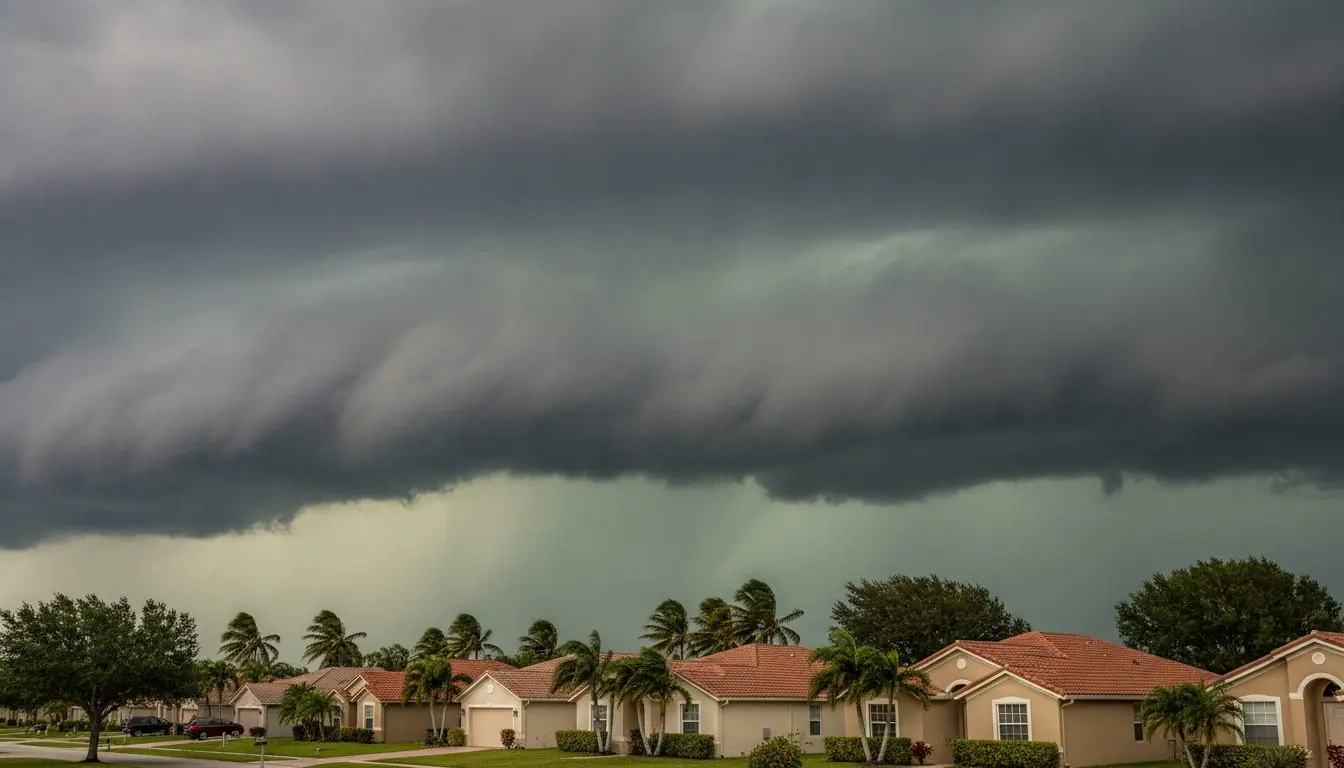
Central Florida sees real hurricane and tropical storm risk every year, and grid outages after a bad storm can last hours or, in the worst cases, days. A lot of homeowners sign up for solar assuming it doubles as a backup power system automatically. It doesn't — at least not without an additional piece of equipment. Understanding the difference before you install, not after your first outage, saves a frustrating surprise.
The panels themselves usually survive the storm just fine
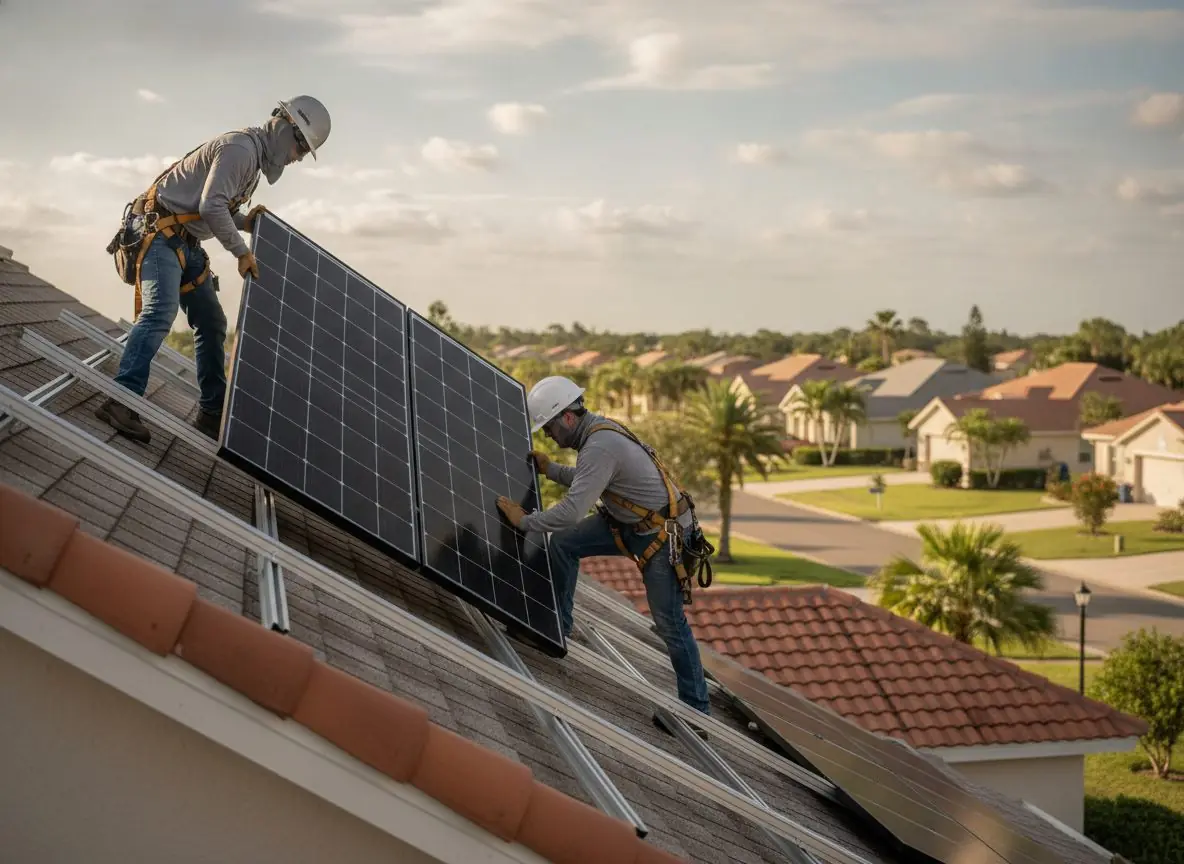
Modern solar panels are rated to withstand significant wind and impact loads — most panels carry a wind rating well above standard Florida Building Code requirements, and the racking systems installers use are engineered and permitted specifically for the wind zone the home sits in. Hail is a bigger concern in other parts of the country than it typically is here; wind uplift is the real Florida design factor, and it's addressed the same way a well-installed roof addresses it: proper attachment, proper spacing, and a system that was engineered for the site instead of a generic template. A properly installed, permitted solar array on a sound roof is not the fragile piece of the system during a storm.
The misconception: grid-tied solar without a battery still shuts off
This is the part that surprises people. The vast majority of residential solar installations are grid-tied — the panels feed power into the home and export any excess back into the utility grid, and the system is designed to shut itself off the moment the grid goes down. That's not a flaw; it's a federally mandated safety feature. Utility line workers may be out repairing downed lines during an outage, and a solar system that kept pushing power backward into a "dead" line could electrocute someone working on it. This automatic shutoff, called anti-islanding, is required by code on every grid-tied inverter.
So in plain terms: if your solar system is grid-tied and the neighborhood loses power, your panels stop producing usable power for your home too — even in the middle of a sunny afternoon after the storm passes. The panels aren't broken. They're doing exactly what they're required to do. But it means solar alone, without additional equipment, is not a backup power solution.
What actually keeps the lights on: battery storage
The only way to get real backup power from a solar system is to pair it with a home battery and the right transfer equipment. A battery-backed system can island itself safely from the grid, keep charging from the panels during daylight, and power a defined set of circuits or the whole home, depending on how it's sized. This is the piece most solar-only sales pitches gloss over, because it's an additional cost — but it's the difference between "we have solar" and "we still have power when the block goes dark."
If keeping the refrigerator, well pump, medical equipment, or air conditioning running during storm season is part of why you're considering solar in the first place, battery storage isn't optional — it's the actual feature you're looking for. See Home Battery Storage for how Crownline sizes battery backup around what actually matters in your home, and how it pairs with a new or existing solar array.
What to ask before you sign a solar contract
Ask directly whether the proposed system is grid-tied only or includes battery backup, and ask what circuits would stay powered in an outage if it does. A straight answer to that question, in writing, tells you a lot about whether you're talking to a company that designs for your actual goals or one that's selling a generic package.
Recommended next step
Crownline evaluates roof condition, sun exposure, and backup-power needs together, so you know upfront whether a grid-tied-only system fits your goals or whether battery storage should be part of the design from day one.
Request a Free Inspection