Why this matters
A water heater is one of those replacements homeowners tend to make reactively — the old one fails, and there's pressure to decide fast. Knowing the tradeoffs ahead of time means you're choosing based on your household's actual hot water use, not just whatever the plumber has on the truck that day.
Traditional tank water heaters
A conventional tank water heater keeps a set volume of water (typically 40-80 gallons for a household) heated and ready at all times. It's the most familiar option, has the lowest upfront equipment and installation cost of the two, and is straightforward for most plumbers to install or replace like-for-like.
- Lower upfront cost, simpler installation, especially as a like-for-like replacement.
- Limited by tank capacity — a large household or back-to-back showers can run it dry.
- Standby heat loss means it's using some energy even when no one's using hot water.
- Typical service life runs roughly 8-12 years, shorter in hard-water conditions without maintenance.
Tankless (on-demand) water heaters
A tankless unit heats water only as it flows through the unit, on demand, rather than storing a heated reserve. That means no standby heat loss and, in theory, an endless supply of hot water as long as the unit's flow-rate capacity isn't exceeded by multiple simultaneous uses.
- Higher upfront equipment and installation cost, and sometimes requires electrical or gas-line upgrades to support the unit's demand.
- No standby losses — it only uses energy while actively heating water.
- Longer typical service life than a tank unit, often 15-20 years with proper maintenance.
- Output is limited by flow rate, not storage — running multiple showers and a dishwasher at once can still strain an undersized unit.
- Takes up much less physical space, which matters in a tight utility closet or garage.
The third option: solar water heating
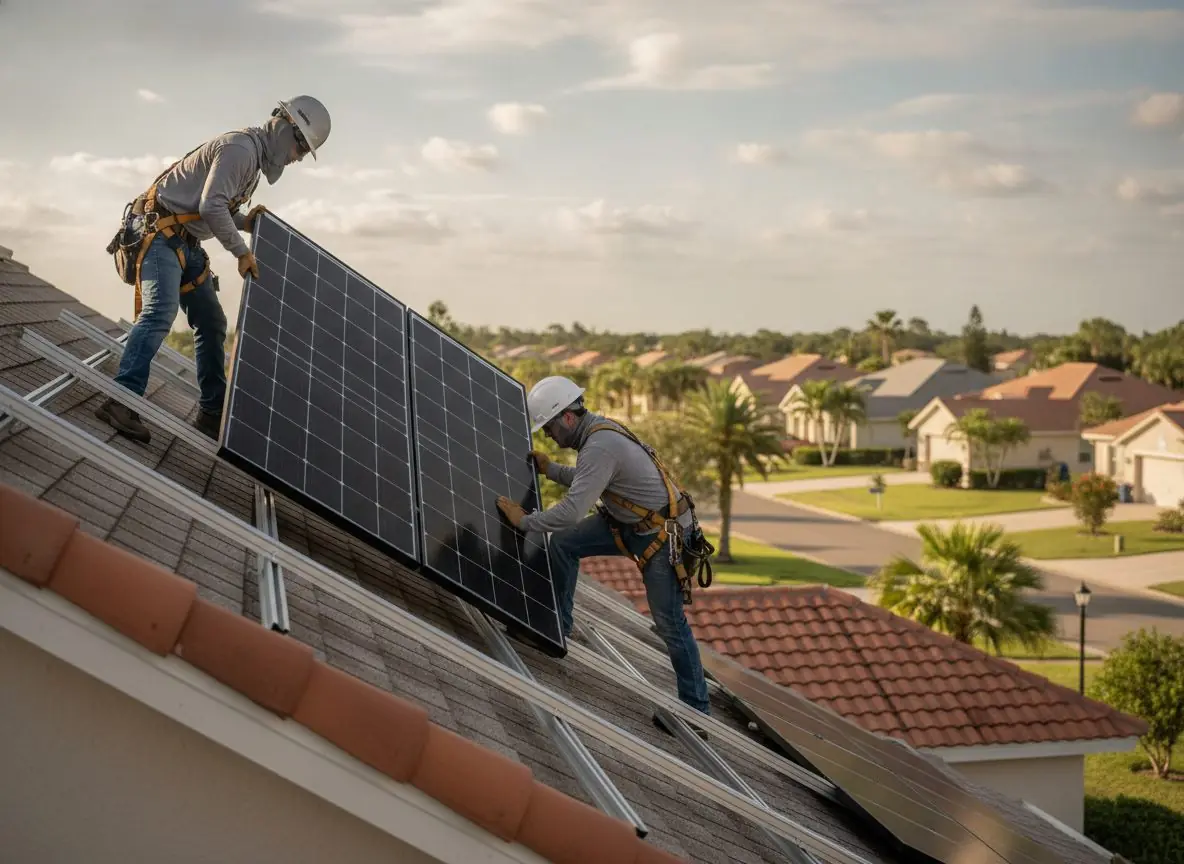
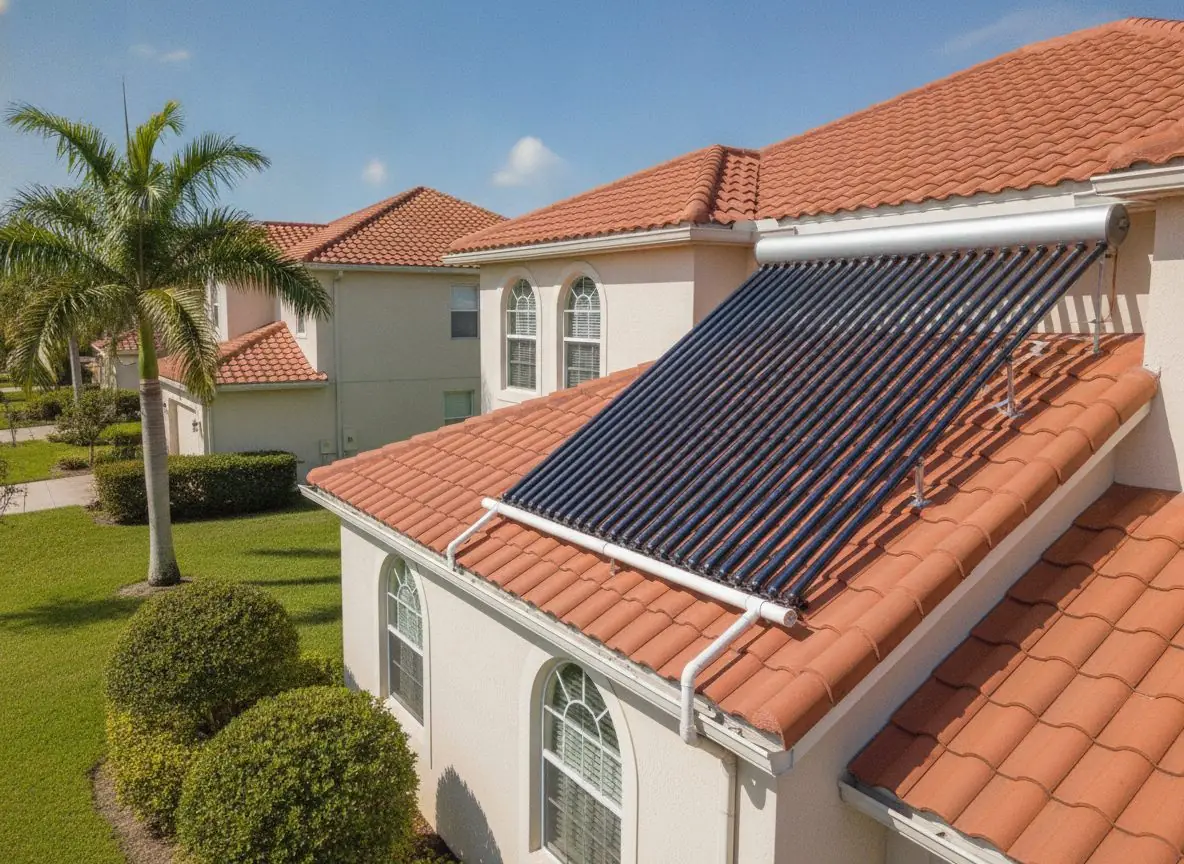
Most homeowners comparing tankless vs. tank never get a straight answer about the third option that's especially well suited to Florida: solar water heating. A solar thermal system uses roof-mounted collectors to preheat water using the sun, backed by a small conventional or tankless unit for cloudy days or peak demand. In a state with as many sun hours as Florida, this can meaningfully cut the energy cost of what is typically one of the largest line items on a home's utility bill, regardless of whether your backup heater is tank or tankless.
Solar water heating isn't the right fit for every home — roof orientation, available roof space, and household hot water patterns all matter — but it's worth evaluating before defaulting to a straight tank-vs-tankless decision. See Solar Water Heaters for how the systems work and what Crownline installs, and Solar Water Heaters: Cost, Savings, and Installation for a full cost breakdown.
How to decide
If your household has heavy, simultaneous hot-water demand and you plan to stay in the home long enough to recover the higher upfront cost, tankless usually wins on long-term operating cost and lifespan. If you need the lowest upfront cost or a fast like-for-like replacement, a tank unit is a reasonable, proven choice. If you have good roof exposure and want to meaningfully cut ongoing energy use, it's worth getting a solar water heating quote alongside whichever conventional option you're considering — the backup tank or tankless unit still gets installed either way.
Recommended next step
Crownline installs both conventional and solar water heating systems and can walk through your household's actual hot water usage, roof exposure, and budget before you commit to a replacement.
Request a Free Inspection