Why this decision matters in Central Florida
A roof here isn't just shedding rain — it's the first line of defense against wind-driven storms for a good chunk of the year, and it's baking under direct sun the rest of it. Asphalt shingles and metal roofing both meet Florida Building Code when installed to spec, but they get there differently, and the differences show up in your wallet, your attic temperature, and how the roof looks twenty years from now.
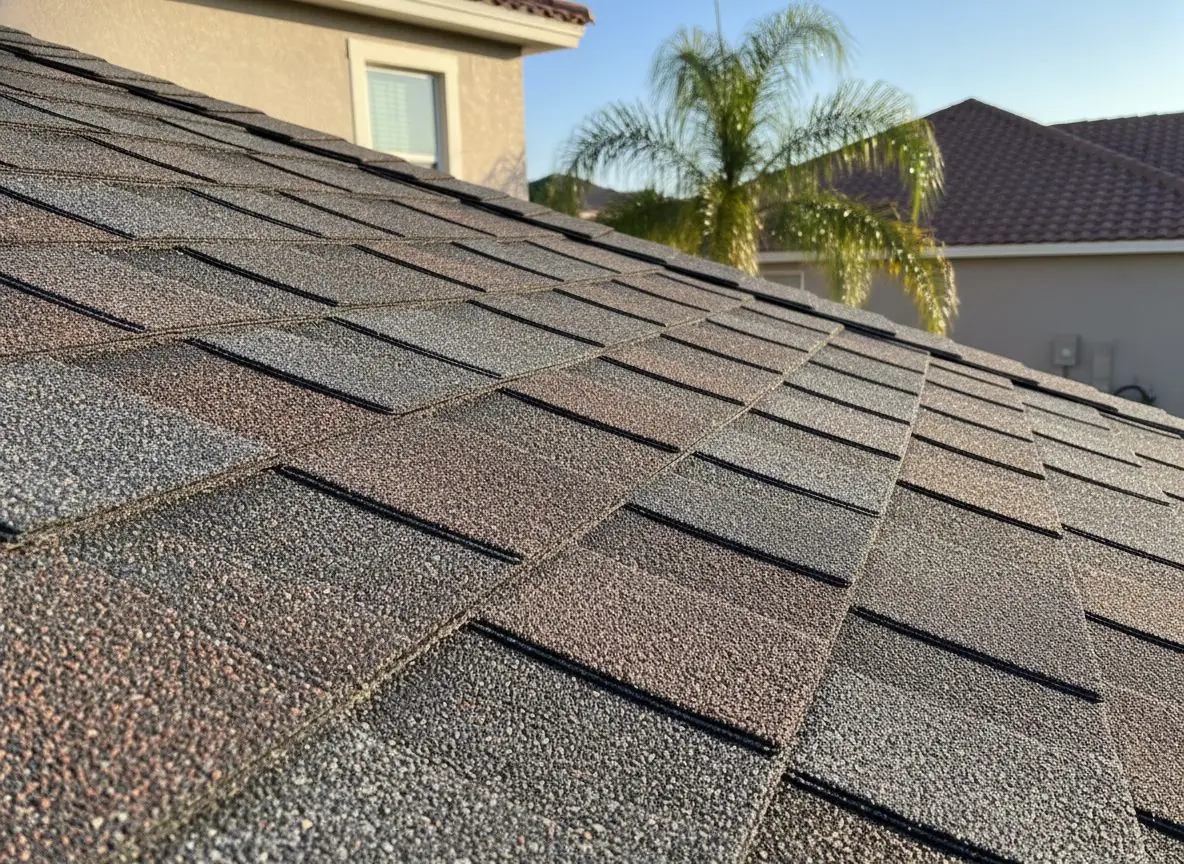
Architectural (laminated) asphalt shingles are still the material most Central Florida homes are built and re-roofed with, mainly because the upfront cost is lower and every roofing crew in the state knows how to install them well. Metal — standing seam or exposed-fastener panel — shows up more on newer builds, high-end remodels, and homeowners planning to stay put for decades.
Upfront cost and lifespan
Asphalt shingle roofs cost less to install than metal, generally by a wide margin, and that gap is the single biggest reason most Central Florida re-roofs still go with shingles. Metal roofing costs more per square up front, but a properly installed standing seam system can run for decades with far less granule loss or curling to worry about along the way.
The math that actually matters is cost per year of service, not cost per square. Run both numbers before deciding, especially if you're weighing a forever-home re-roof against a roof you might sell out from under in five to seven years — resale timelines change which material actually saves you money.
Wind, storm, and hurricane performance
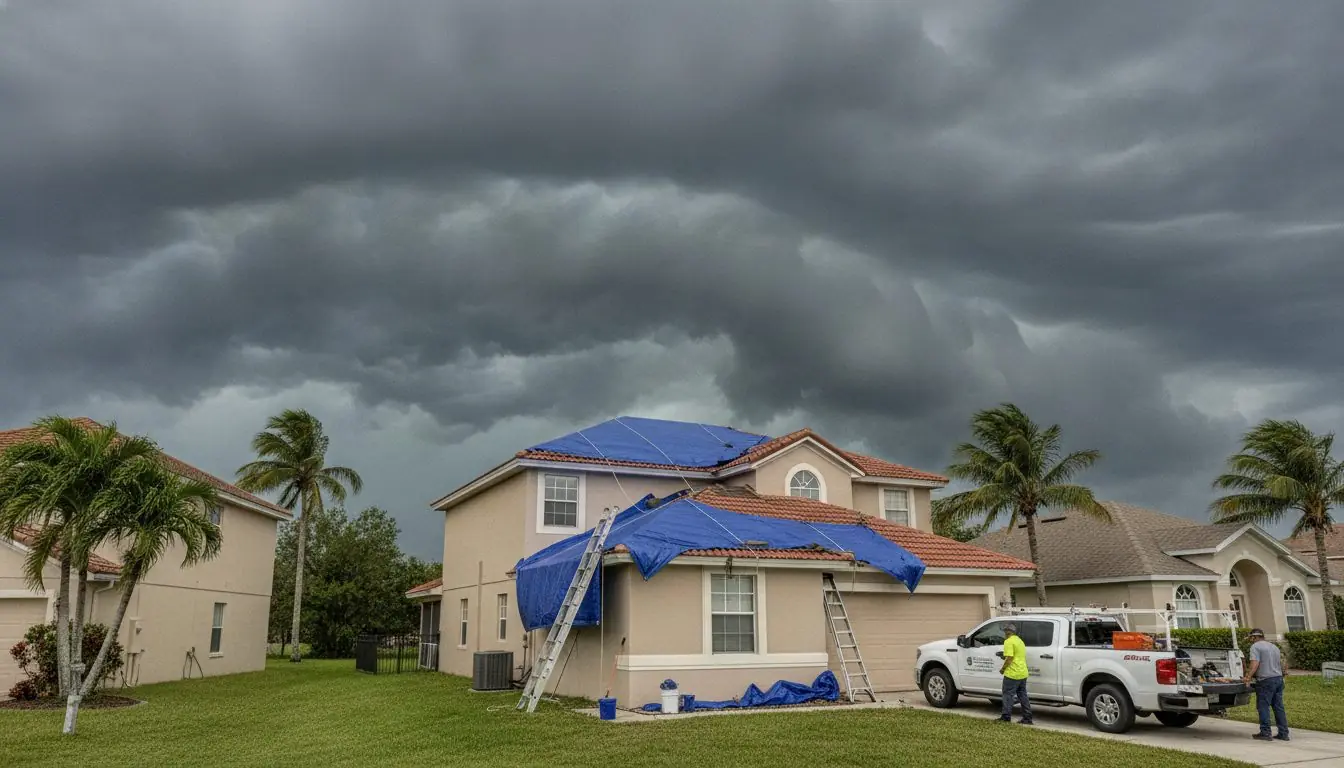
Both materials can be installed to meet Florida's wind-uplift requirements, but they get there differently. Architectural shingles rated for high wind exposure use reinforced nailing patterns and sealant strips that bond down in the Florida heat; that bond is part of what makes them wind-resistant, so a shingle roof installed in cooler weather or replaced with mismatched materials can underperform its rating. Standing seam metal panels interlock mechanically along concealed fastener seams, which is why they carry some of the highest wind-uplift ratings available and why insurers frequently favor them in coastal and high-wind zones.
Hail is the one place shingles sometimes have an edge — they flex and absorb small impacts, where lower-gauge metal panels can dent (a cosmetic issue more than a functional one, but worth knowing if hail is a regular event in your area). Neither material's storm performance means anything if the underlayment, flashing, and fastening aren't installed correctly — that workmanship is where most storm failures actually start.
Heat, energy use, and attic performance
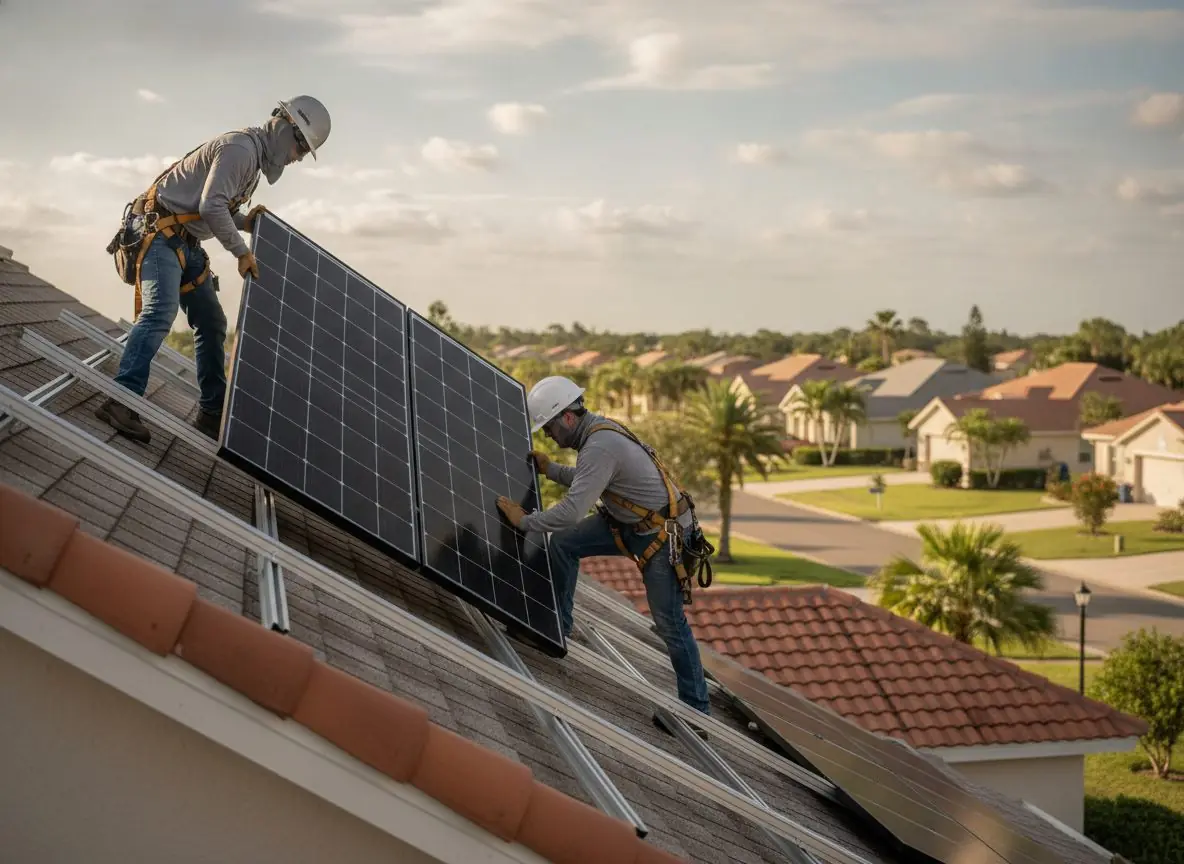
Florida attics get hot regardless of what's on top, but metal roofing reflects more solar radiant heat than standard asphalt shingles, which can measurably reduce attic temperature and, in turn, cooling load — especially with a reflective or "cool roof" coated panel. Asphalt shingle manufacturers now offer reflective granule options that close some of that gap, but metal generally still wins on raw reflectivity. If you're pairing a re-roof with solar panels or a solar water heater, the roof surface temperature and expected lifespan both factor into that planning — see our guide on roof age and solar timing if that's part of your decision.
Maintenance and what actually goes wrong
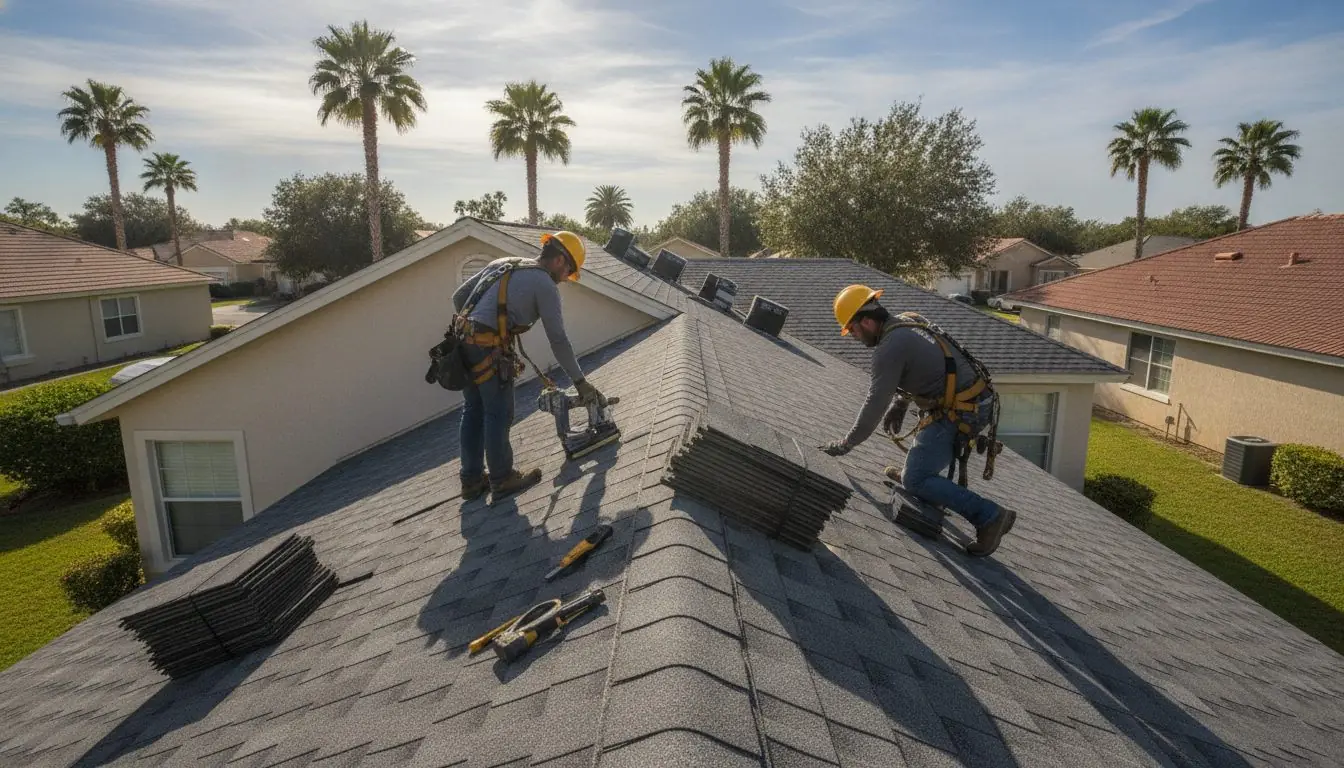
- Asphalt shingles: granule loss over time, curling/cupping from UV and heat cycling, and vulnerability to lifted or torn tabs after high wind — all things a routine inspection catches early.
- Metal roofing: fastener backout on exposed-fastener panels (less of an issue on true standing seam), oil-canning (a cosmetic waviness in the panel), and the need for compatible flashing details at every penetration.
- Both: most premature failures trace back to poor installation — bad flashing, wrong fastener spacing, or underlayment that wasn't rated for the exposure — not the material itself.
Recommended next step
If budget and a straightforward re-roof timeline matter most, architectural shingles remain a sound, code-compliant choice for Central Florida. If you're building for the long haul, want the strongest wind-uplift numbers available, or are pairing the roof with solar, metal is worth pricing out even at the higher upfront cost. Either way, the deciding factor is always the installation quality behind the material.
Request a Free Inspection