Why this matters
Every solar quote in Florida eventually asks this question: panels only, or panels plus a battery? The honest answer depends on what problem you're actually trying to solve — a lower electric bill, outage backup, or both — because those two goals are optimized differently, and the right answer isn't the same for every household.
What solar-only actually does
A solar-only system offsets your electric bill by generating power during daylight hours; any excess production is exported to the grid and credited under Florida's statewide net metering rules at the retail electricity rate. When the sun isn't producing enough — nighttime, heavy cloud cover — you draw from the grid as normal. Critically, a grid-tied solar-only system without a battery shuts off during a grid outage, by design, for utility worker safety — so solar alone does not keep your lights on when the power goes out, a common misconception worth correcting up front.
What adding a battery changes
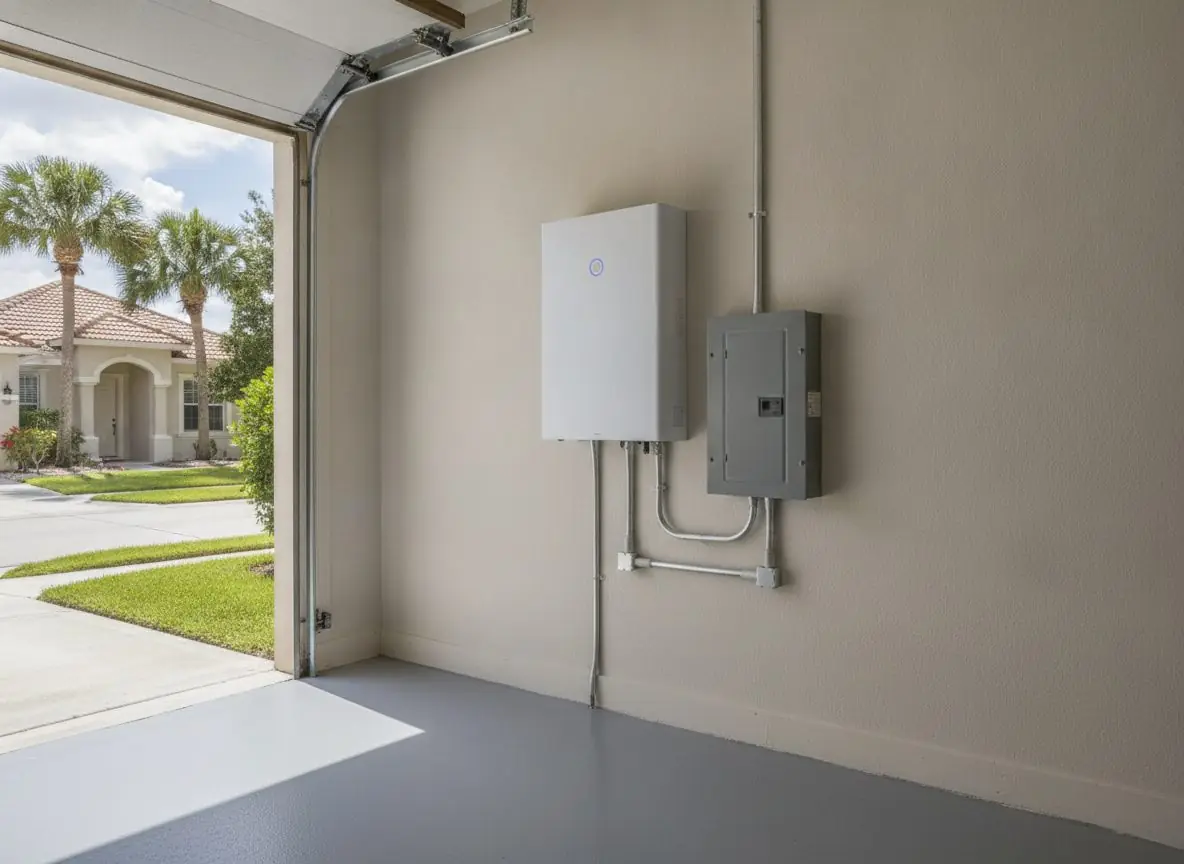
A battery stores your solar production instead of exporting all of it, letting you use your own power in the evening rather than buying it back from the utility, and — critically — it keeps designated circuits running during a grid outage. For a state with real hurricane-season outage risk, that backup capability is often the actual reason homeowners consider a battery at all, more than the bill-optimization angle. See our Home Battery Storage 101 guide for how backup sizing works.
The cost and incentive comparison
Adding a battery is a meaningful additional cost on top of a solar-only system. As of 2026, there is no federal tax credit for either a solar-only or solar-plus-battery system purchased outright by a homeowner — that credit expired December 31, 2025. Both configurations still benefit from Florida's property tax exemption and sales tax exemption on qualifying equipment. Net metering, which credits solar-only exports at the retail rate, is part of why solar-only paybacks in Florida have historically been reasonable — and it's also a reason some homeowners choose to wait on adding a battery, since a strong net metering program reduces the financial case for storing power instead of exporting it. For the complete incentive picture, see Solar Incentives in 2026.
Side-by-side: what each option is actually good at
- Bill reduction only, budget-conscious: solar-only is the lower-cost path to a smaller electric bill, and net metering credits the excess you produce.
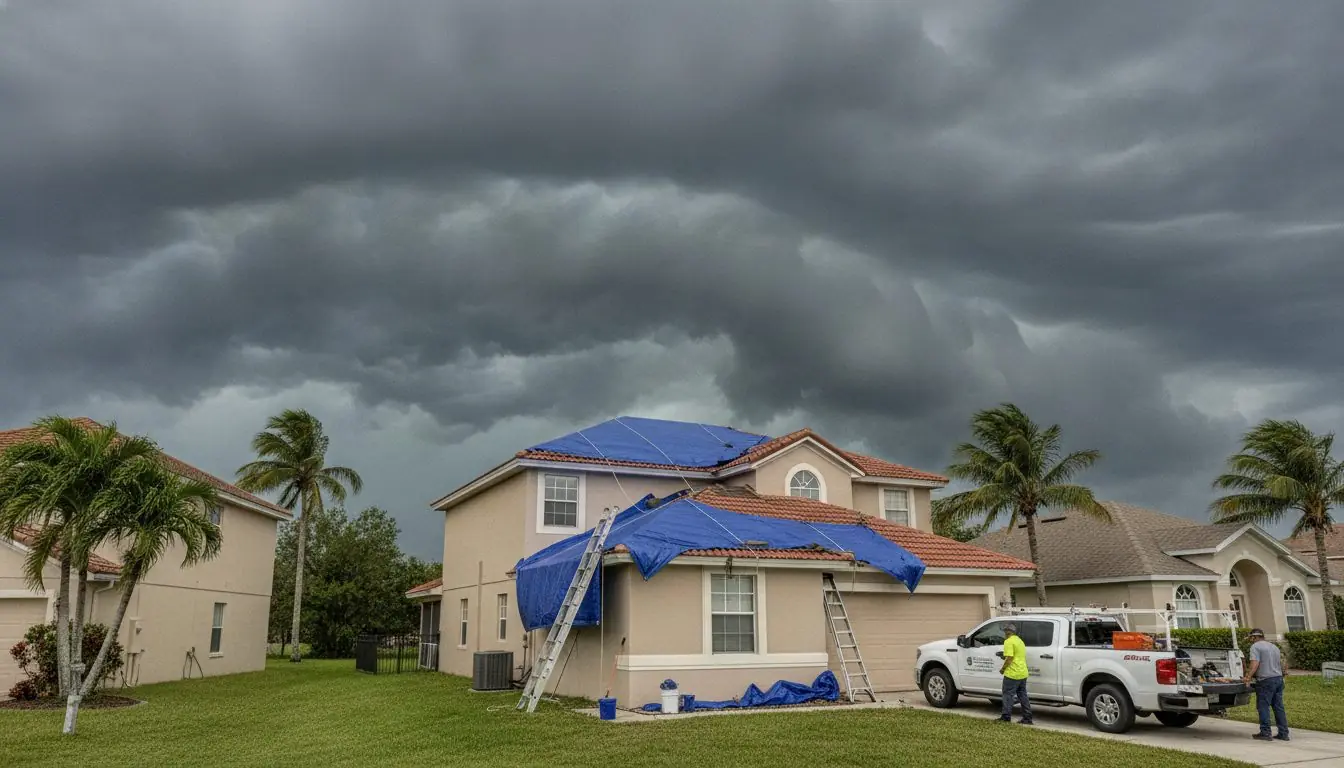
- Storm-season outage protection: only a battery (or a generator) keeps power flowing when the grid goes down — solar panels alone will not.
- Maximizing self-use of your own solar: a battery lets you shift your own daytime production to evening use, which matters more in scenarios with time-of-use utility rates.
- Medical equipment or work-from-home needs: a battery's automatic backup is the more reliable fit versus relying on grid uptime or a manually-started generator.
- Lowest total upfront cost: solar-only, since a battery is a substantial additional line item.
A reasonable way to decide
Start by asking what actually happens in your household during a multi-day outage — medications needing refrigeration, medical equipment, working from home, or simply comfort and safety for family members. If none of that is a serious concern and your main goal is a lower bill, solar-only is a reasonable, lower-cost starting point, with the option to add a battery later in most system designs. If outage protection is a real concern given past storm experience, the battery's added cost is buying a specific capability that solar-only cannot provide, regardless of the incentive math.
Recommended next step
A useful comparison uses your actual usage data and your household's real backup priorities, not a generic average — that's what a proper site evaluation is for.
Request a Free Solar Estimate