Why Florida shortens roof life
Manufacturer lifespan ratings are usually generated under more moderate conditions than what a Central Florida roof actually faces. Intense year-round UV breaks down asphalt and sealants faster; near-constant humidity keeps roofing materials and the deck beneath them damp longer between dry-out periods; and regular tropical storm and hurricane-season wind events put cyclical stress on fasteners, flashing, and seals that milder climates never test. None of this means Florida roofs are built wrong — it means the same material simply ages faster here than the marketing lifespan often implies.
Typical lifespan by material in this climate
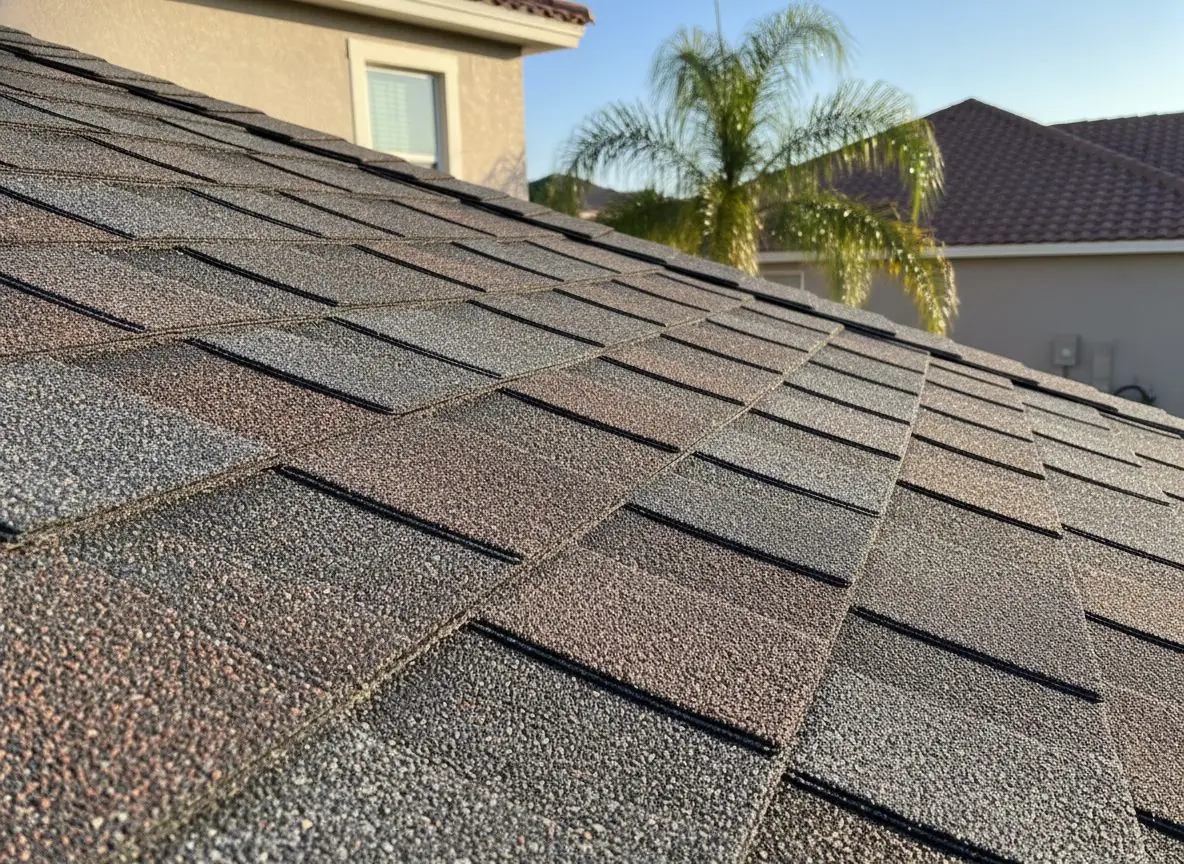
- Architectural (laminated) asphalt shingle: Shorter than the same product's rated lifespan in cooler, drier climates.
- 3-tab asphalt shingle: Less common in new installs today but still found on older Central Florida homes.
- Concrete or clay tile: The tile often outlasts the waterproofing layer underneath it.
- Standing seam metal: Among the longest-lived options in this climate when properly installed and flashed.
- Exposed-fastener metal panel: See our standing seam vs. corrugated comparison for why.
- Commercial low-slope (TPO/EPDM/modified bitumen): Heavily dependent on rooftop foot traffic, ponding water, and maintenance history.
What actually determines whether your roof beats the average
- Installation quality is the single biggest factor — correct nailing patterns, proper underlayment, and code-compliant flashing at every penetration matter more than the specific shingle brand.
- Attic ventilation directly affects how hot the underside of the roofing material gets; poor ventilation shortens shingle life measurably by cooking the material from underneath. See our roof ventilation guide.
- Routine inspections catch small problems — a lifted shingle tab, a cracked pipe boot, a failing sealant joint — before they become water intrusion that damages decking and shortens the roof's effective life.
- Storm history matters even when damage isn't obvious; repeated wind events can loosen fasteners or stress flashing incrementally over years without an obvious single failure point.
- Direct sun exposure varies by roof orientation and tree cover — south- and west-facing slopes with no shade typically show wear faster than shaded or north-facing sections of the same roof.
How to tell where your roof actually stands
Manufacturer lifespan ratings are a starting point, not a verdict on your specific roof. The roof's actual age, its inspection history, and what a current inspection finds matter more than the material's textbook number. If your roof is approaching or past the typical range for its material, that's the point to start budgeting for replacement proactively rather than waiting for a leak to force the decision — our repair vs. replacement guide walks through how to make that call.
Recommended next step
A roof age check and inspection tells you far more than any average ever can. If you don't know your roof's installation date or last inspection, that's worth finding out before storm season puts it to the test.
Request a Free Inspection