Why this matters
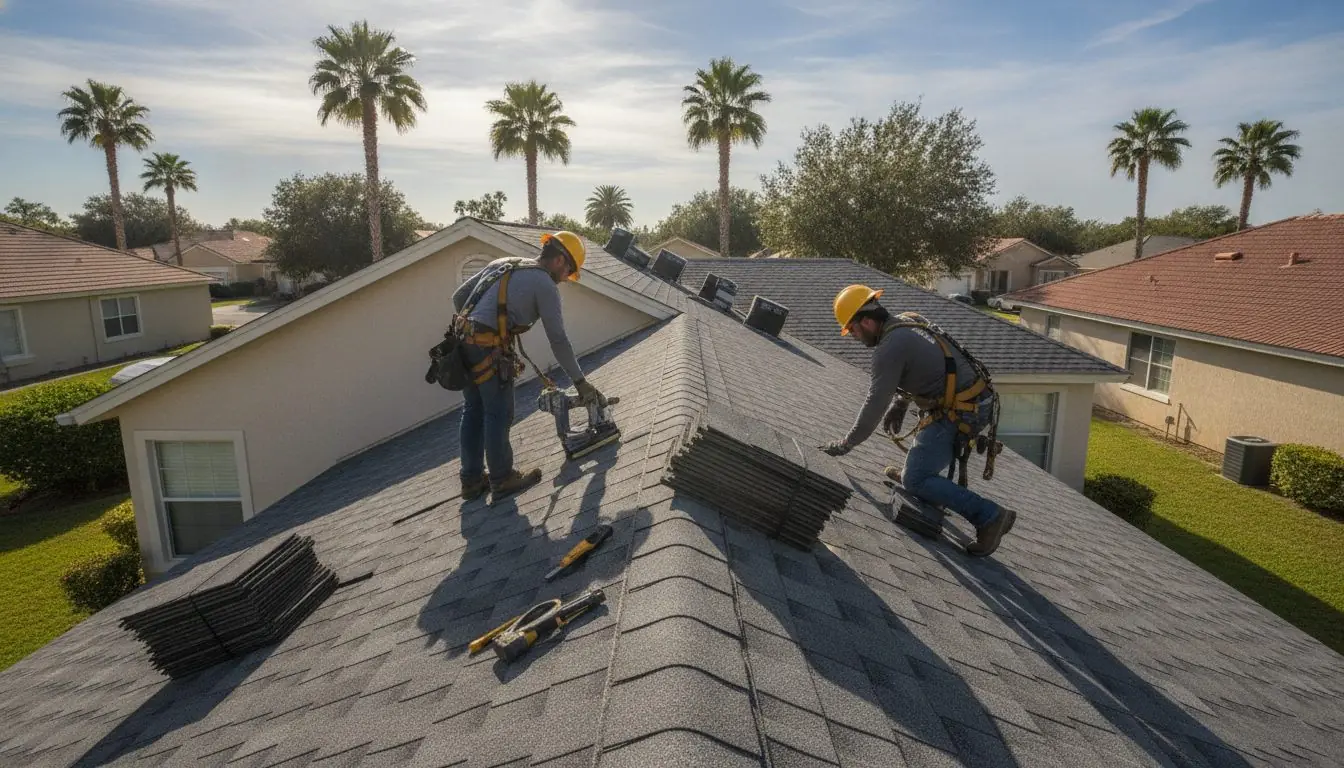
Roofers get this question constantly, and the honest answer is: it depends on age, the extent of the damage, and whether the problem is isolated or systemic. Repairing a roof that's actually near the end of its service life just delays an inevitable replacement while you keep paying for patches. Replacing a roof that only needed a targeted repair wastes money you didn't need to spend. The goal is matching the fix to what's actually happening under the surface, not guessing from the driveway.
When a repair is the right call
- Isolated, localized damage — a single section of missing or damaged shingles/tiles, a cracked pipe boot, or flashing that's failed at one specific penetration.
- Roof is well within its expected service life for its material — see our average roof lifespan guide for typical ranges by material in Florida's climate.
- The decking underneath is sound once the damaged section is opened up — no soft spots, rot, or widespread water staining in the attic.
- The rest of the roof shows no broad wear pattern — granule loss, curling, or cracking isolated to one area rather than spread across the whole surface.
When replacement is the honest recommendation
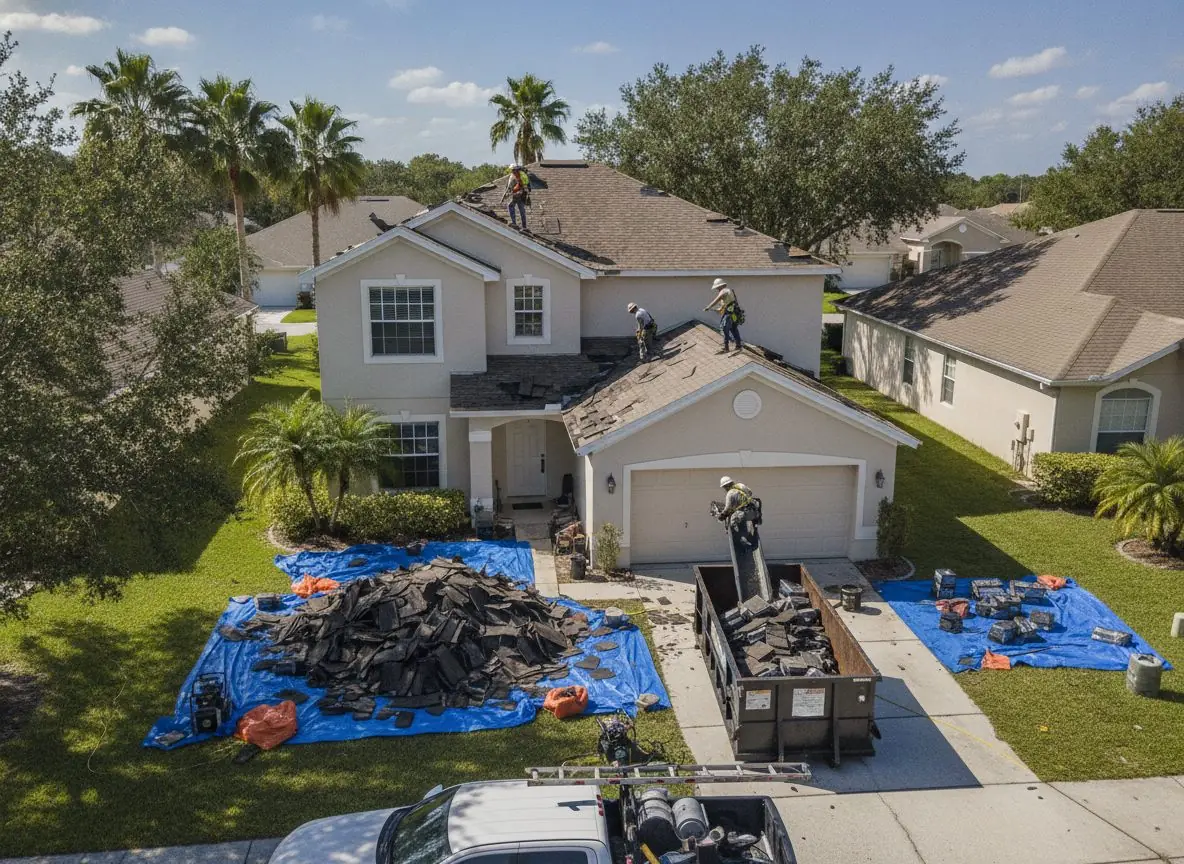
- The roof is at or past its expected lifespan for its material, even if it isn't actively leaking yet — patching an old roof often just relocates the next leak rather than preventing it.
- Damage is widespread rather than isolated — multiple areas of granule loss, curling, cracked tiles, or corrosion spread across the roof rather than one spot.
- Decking or structural damage is found once a section is opened — soft, delaminated, or water-damaged decking is a sign the problem has been ongoing, not new.
- You've already repaired the same area more than once — repeat failures in the same spot usually mean the underlying cause (flashing design, ventilation, or age) hasn't actually been fixed.
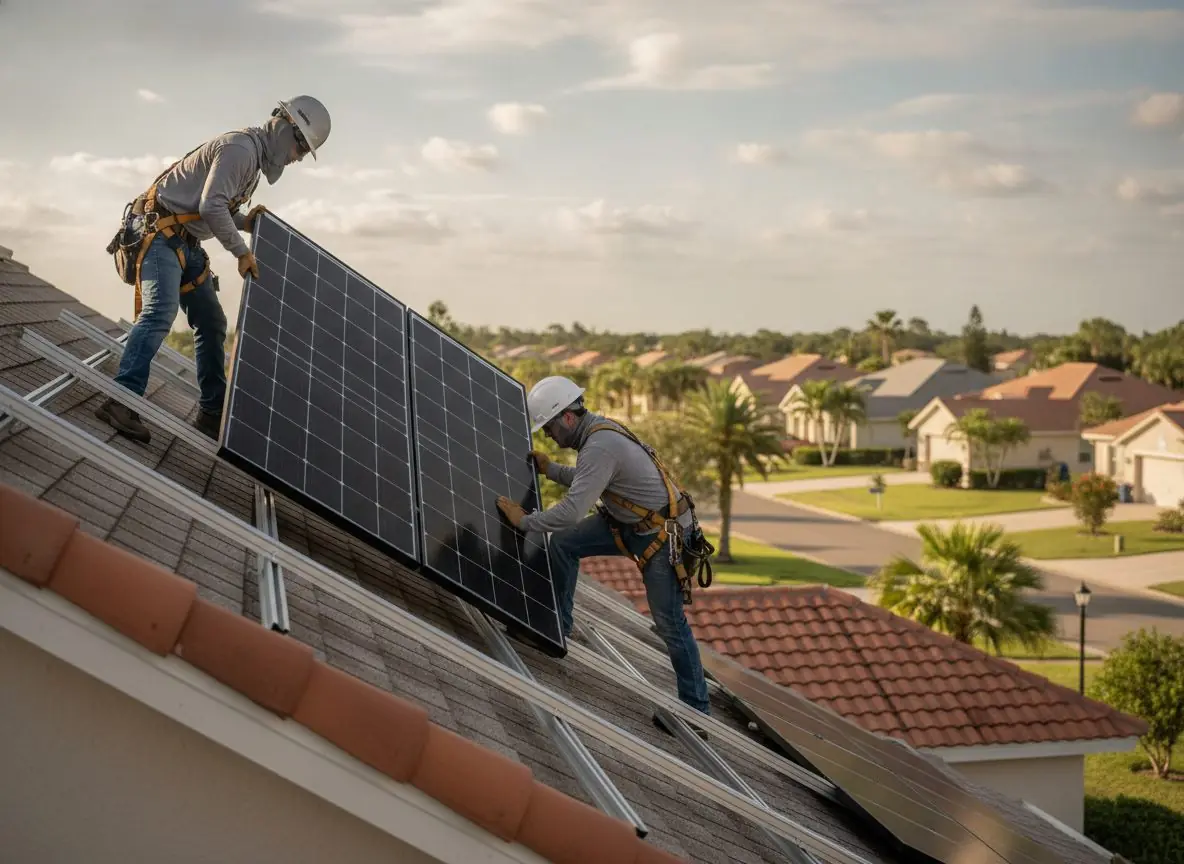
- You're planning to add solar or a major system upgrade — putting new equipment on a roof that's already near the end of its life usually means removing and reinstalling it a few years later. See our guide on roof age and solar timing.
The cost math that actually settles it
A single, well-scoped repair is almost always cheaper in the moment than a full replacement. But if a roof is old enough that you're likely to need another repair within a year or two, the math flips — two or three repairs plus the eventual replacement anyway usually costs more than replacing once. A good inspection should tell you not just what's wrong today, but how likely the roof is to need another visit soon, so you can make that call with real information instead of a guess.
Where insurance changes the decision
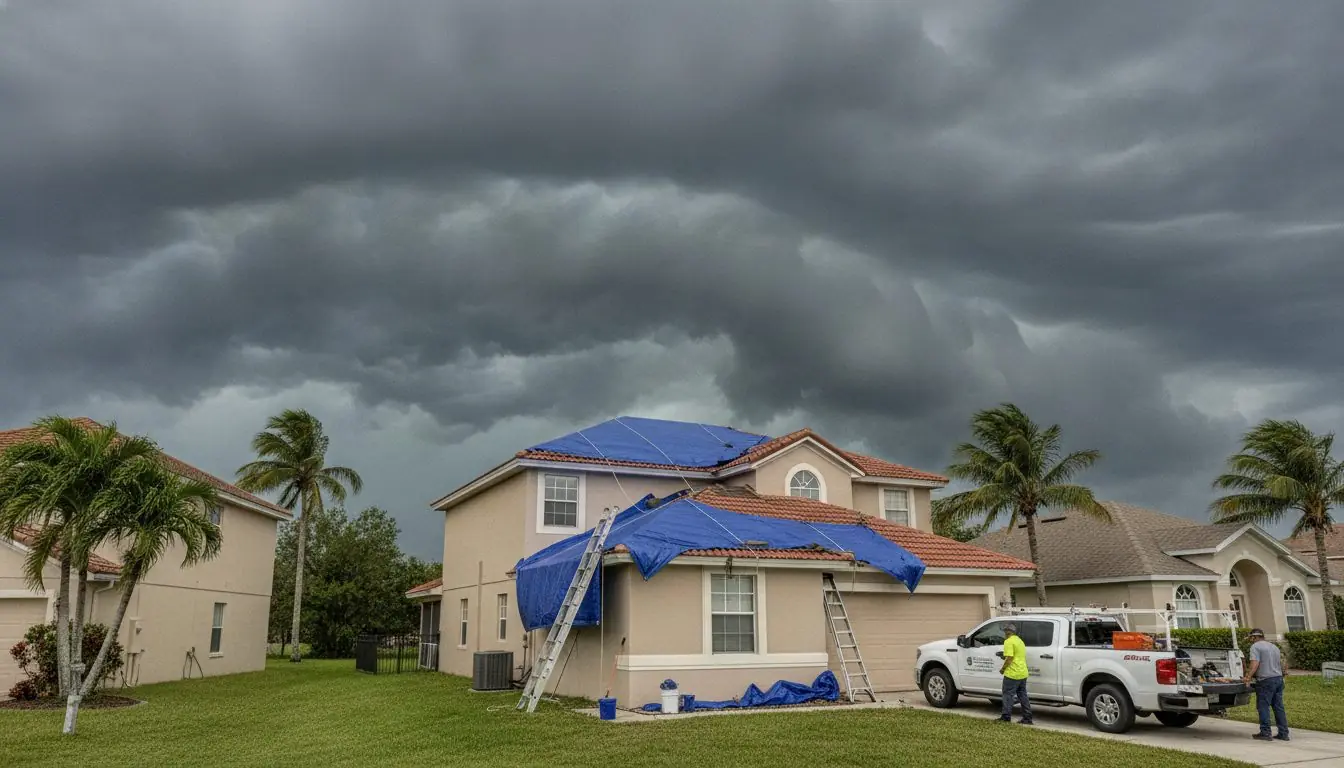
If the damage traces back to a specific storm event, the repair-vs-replace decision may not be entirely yours to make in isolation — it becomes part of the insurance claim conversation. Florida insurers evaluate storm damage claims against documented cause and extent, and a properly documented claim sometimes covers a full replacement where an out-of-pocket repair wouldn't have been the owner's first choice. See our insurance claims page for how that documentation and scope-writing process works.
Recommended next step
Start with a real inspection, not a guess based on how the roof looks from the ground. A documented inspection with photos and a written recommendation gives you the actual basis for a repair-or-replace decision — and if a storm is involved, that same documentation is what your insurance claim will lean on.
Request a Free Inspection